

3 Reasons Why You Should Not Use A Toothpick
Dantam Clinics
November 7, 2026
Keeping your teeth clean and your gums healthy is important. After eating food often gets stuck between your teeth, many people will try to find quick ways to get rid of this. Many people will use a toothpick due to it being easily accessible. But using sharp objects can cause issues with your sensitive gums.
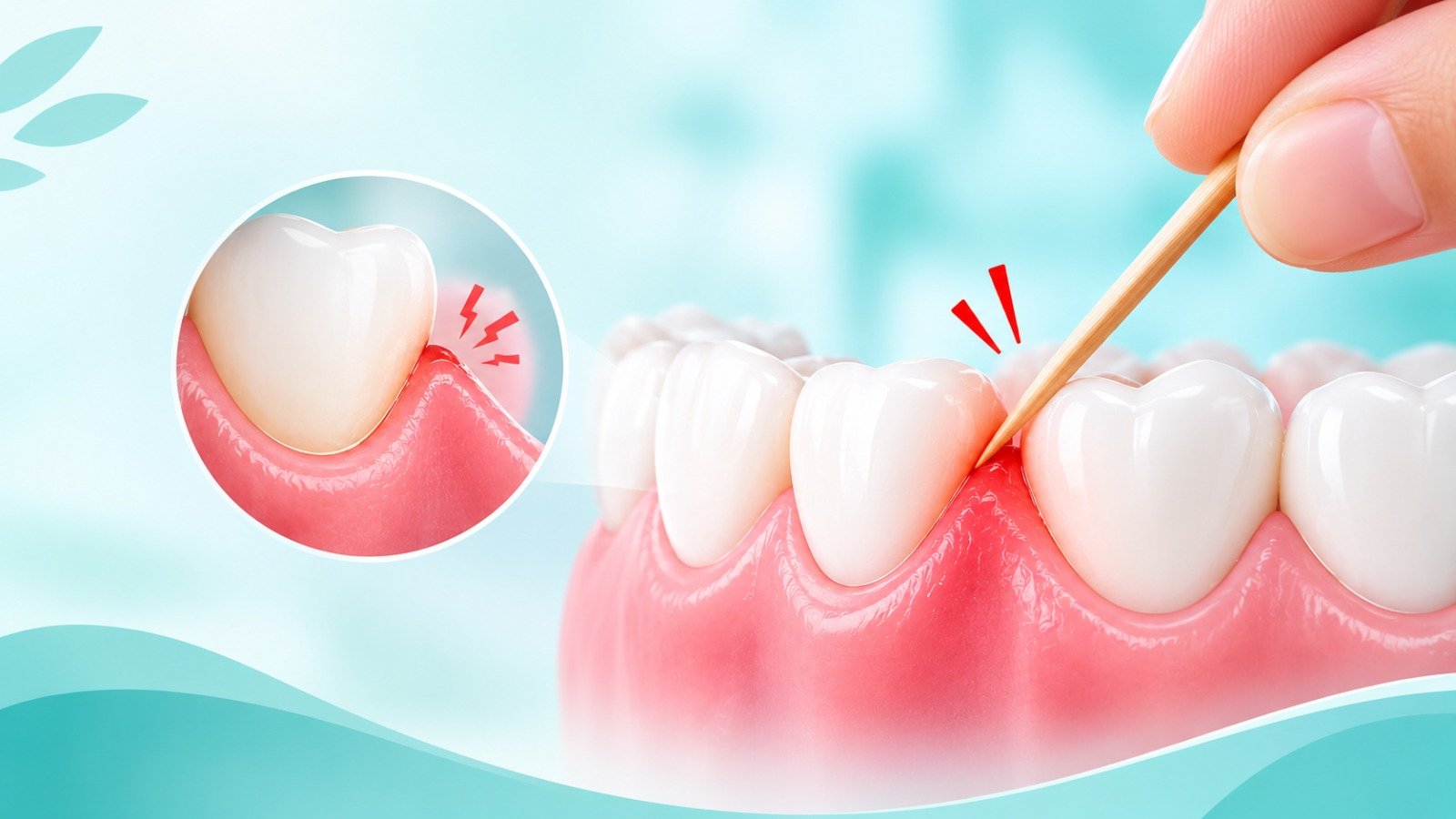
While removing the food that has got stuck between your teeth is important, using too much pressure can cause irritation and small wounds to occur. Over using can cause any existing dental issues to get worse. Repeated irritation may also contribute to Gum damage.
Cause Bleeding Gums
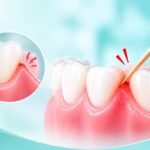
One of the main issues caused from incorrect cleaning between your teeth is causing bleeding. The gums are sensitive.Forcing a wooden stick between your teeth can cause the pointy tip to accidentally cause some small wounds in the area, leading to Gum damage and irritation.
Why Could Improper Cleaning Cause Bleeding?
The gaps between your teeth are quite small, and surrounded by gum tissue. Forcing a hard object into these areas can cause extra pressure meaning your sensitive gum tissue can be damaged. Repeated irritation may also contribute to Gum damage and discomfort, particularly if you already have Swollen gums.
Irritation can cause:
- Small cuts and grazes.
- Pain when eating.
- Sensitivity.
- Make area more sensitive.
If you are getting bleeding gums regularly, it is not always due to your cleaning habits. Plaque build up can cause issues, as well as gingivitis, incorrect brushing and other dental issues. These are some common Reasons for bleeding gums.
Why You Should Never Ignore Bleeding Gums
Occasionally you may get some bleeding due to an accident. But if you are getting regular bleeding this could be due to an issue with your gums.
Plaque can build up along your gum line causing irritation from the bacteria. This can cause gingivitis, an early stage of gum disease. Symptoms commonly include red, sore and swollen gums which bleed when brushing.
Instead of adding extra pressure try using a soft bristled toothbrush and the correct interdental products. If you continue to get bleeding see a dentist to find out what is causing it.
Can Cause Damage To Your Gums
Your gums play an important part in keeping your teeth healthy. They help to protect the root of your teeth.
But using sharp objects regularly can cause irritation to your sensitive gums. Repeated irritation can contribute to Gum damage.
How Can Using A Wooden Stick Cause Issues?
Wooden sticks are hard and pointed. They may not be as comfortable as designed dental products.
Incorrect use can cause:
Grazing – The pointed tip can cause some grazing in the area causing sensitivity. Repeated injuries can cause more sensitivity.
Gum Recession – Too much pressure near the gum line can cause irritation and trauma to your gums. This can cause gum recession exposing the roots of your teeth and causing sensitivity.
More Irritation – Small injuries can cause more sensitivity to already irritated areas. If plaque and food debris is left this can cause continued inflammation.
Could Repeated Pressure Cause Issues With Your Gums?
Yes! Repeated pressure can cause damage to the area. How much depends on how often you are using the object, how much pressure you are using, and how healthy your gums already are.
If you already have damage to your gums you should be extra careful. Using sharp objects can cause more discomfort and interrupt the natural healing process.
Generally healthy gum tissue should be firm. Everyone’s natural colour will differ. But if your gums are regularly red, sore, swollen or bleeding you should take note.
Symptoms To Look Out For
- Pain/Soreness around specific teeth.
- Bleeding when brushing.
- Gum tissue pulling away from teeth.
- Bad breath.
- Sensitivity around exposed roots.
- Discomfort when chewing.
These can be caused by different issues so seeing a dentist will help to accurately diagnose.
Can Make Existing Issues Worse
If you have inflamed gums you should be extra cautious with your oral hygiene. Using hard or pointed objects can cause more irritation and discomfort.Correct oral hygiene should remove the food without causing damage.
Soft Care For Inflamed Gums
Gum inflammation can be caused by plaque build up around your teeth and along your gum line. The plaque contains bacteria which can cause irritation.As your gums become inflamed they can become red, sore and sensitive.Using a pointed wooden stick can cause more discomfort.
If your gums are swollen you may notice that they are sensitive to even light pressure. Forcing the food away can cause more irritation. People experiencing Swollen gums should avoid applying unnecessary pressure to the affected area.
Common Issues With Inflamed Gums
If your gums are not looked after correctly you may start to get:
- Redness around your teeth.
- Soreness when brushing.
- Bleeding when eating.
- Bad breath.
- Changes to your gums.
- Discomfort around the area.
Sometimes swollen gums can be a sign of gingivitis but can also be linked to infections, abscesses and other oral health issues.
It is important to find out what the issue is.Early stages of gum inflammation can be managed with correct oral hygiene and professional dental care. But if plaque continues to build up you may start to get gingivitis. This can then progress to periodontitis.
Periodontitis affects the supporting structures of your teeth including bone. If left untreated this can cause your teeth to become loose and fall out.
Incorrect cleaning tools will not help with the infection/inflammation.If you are regularly noticing swelling, bleeding, pain or pus around your gums you should book an appointment with a dentist. Early diagnosis can help to prevent any complications.
Common Causes Of Bleeding Gums
Bleeding gums when brushing or cleaning between your teeth is a common dental issue. While incorrect cleaning can cause localised damage there are several other causes.
Knowing the Reasons for bleeding gums can help to know when to seek professional dental care. Understanding the Reasons for bleeding gums is important when identifying possible oral health problems.
Plaque Build Up
Plaque is a sticky layer of bacteria that builds up constantly on your teeth. If not cleaned correctly it can cause build up near your gums causing inflammation.This is one of the most common reasons for getting gingivitis. Regular brushing and interdental cleaning can help to reduce build up.
Brushing Too Hard
Brushing with too much pressure can cause irritation to your gums. Using a hard bristled toothbrush can also cause damage.Use a soft bristled toothbrush and brush in gentle circles.
Incorrect Flossing
Flossing can help to remove food and plaque from areas that your toothbrush cannot easily reach. But if you are forcing the floss into your gums or snapping it between your teeth it can cause irritation.Try learning the correct technique and using gentle motions.
Existing Gum Disease
Gingivitis and periodontitis can cause your gums to become more sensitive. This can cause them to bleed when brushing, flossing or eating.Seeking professional advice is important to know how far your gums have progressed and what treatment is suitable.
Vitamin Deficiency & Medical Conditions
Some vitamin deficiencies such as vitamin C and K can cause issues. Certain medications and medical conditions can also impact bleeding.If you are regularly getting bleeding speak to your dentist or healthcare professional. Identifying the Reasons for bleeding gums can help you receive appropriate care.
Safer Ways To Clean Between Your Teeth
It is important to remove food but you should never cause damage to your gums. Using the correct tools can help to keep your oral hygiene better and reduce irritation.
Dental Floss
Dental floss is designed to clean the small gaps between your teeth. This helps to remove plaque and food.
Benefits:
- Can clean tight spaces.
- Removes plaque.
- Helps keep gums healthy.
- Reduces food build up.
- Complements brushing.
Use around 18 inches of floss and gently push between your teeth. Wrap around each tooth in a C shape and gently move along the sides. Do not force into your gums.
Interdental Brushes
Interdental brushes are small brushes designed to clean between your teeth. They are great for larger gaps or if you have braces, bridges or certain dental work.
Benefits:
- Clean larger gaps.
- Remove food.
- Keep gums healthy.
- Help those with orthodontic appliances.
Ensure you use the correct size recommended by your dentist. It should fit comfortably.
Water Flosser
A water flosser uses a controlled jet of water to clean food away and help clean around your gums. This can be beneficial for those struggling with traditional flossing.These can be very helpful for those with braces, dental implants or limited dexterity.But should be used alongside regular brushing.
Brush Regularly
Brushing twice a day with fluoride toothpaste is one of the most important habits.
Simple tips:
- Use a soft bristled brush.
- Brush for at least 2 minutes.
- Gently clean all surfaces.
- Take care around your gums.
- Change your toothbrush every 3-4 months or sooner if the bristles are damaged.
Regular brushing will help to keep plaque under control.
Daily Tips To Keep Gums Healthy
To keep your gums healthy you should take care of them regularly. Making small changes to your daily routine can make a big difference to reducing plaque build up.
Brush Twice A Day – Brush your teeth in the morning and before bed with fluoride toothpaste.
Clean Between Teeth – Use dental floss or the correct sized interdental brush to clean plaque from areas that may not have been reached with brushing.
Drink Plenty Of Water – Drinking enough water will help keep your saliva levels normal helping with natural cleaning.
Eat A Balanced Diet – Try to eat plenty of fruit, vegetables and foods high in nutrients. Avoid eating sugary snacks/snacks regularly.
Do Not Smoke – Smoking and other tobacco products can cause issues with your gums increasing risk of periodontal disease.
Regular Check Ups – Seeing a dentist can help to spot early signs of gum disease, cavities and other dental issues.
Follow Professional Advice – If you are getting regular inflammation follow the treatment advice given by your dentist.
When Should You See A Dentist?
While not all small irritations will need urgent treatment, if you are regularly getting symptoms you should seek professional advice.
See a dentist if:
- You are regularly getting bleeding when brushing/flossing.
- Swollen/red gums.
- Bad breath.
- Pain when chewing.
- Gum recession.
- Loose teeth.
- Pus around gums.
If you are getting severe pain, facial swelling, fever or trouble swallowing seek urgent medical/dental advice.A dentist may check your gums to see how much plaque is building up, how deep your periodontal pockets are and give the correct treatment for your condition.Early diagnosis can help to keep your natural teeth and avoid any more complex dental issues.
Why Choose Dantam Dental Clinic in Tellapur?
Maintaining healthy teeth and gums requires proper guidance, prevention and treatment. At Dantam Dental Clinic in Tellapur, we assess concerns such as Bleeding gums, Gum damage, Swollen gums and Reasons for bleeding gums, helping you understand your dental issues and choose suitable treatment.
Experienced Professionals – Get guidance from experienced dental professionals.
Full Range Of Dental Services – We can help with a range of dental issues from basic check ups to complex treatments.
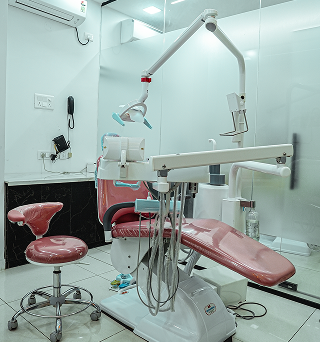
Modern Dental Equipment – We have the correct equipment and technology to help with accurate assessments.
Patient Focused – We understand your concerns and can explain the treatments to make you more comfortable.
Prevention Advice – We can advise you on the correct brushing, flossing and interdental techniques to keep your teeth and gums healthy.
If you are having any discomfort, inflammation or regular dental issues seeking timely advice can help you understand what is going on and take the correct steps to improve your oral health. Avoiding Toothpick use and getting professional advice can help prevent Gum damage.
Frequently Asked Questions
Is it safe to use wooden sticks?
Can improper cleaning cause bleeding?
What is the best way to remove food?
Can inflamed gums be a serious issue?
How can I avoid injuring my gums?
SUBSCRIBE
SUBSCRIBE TO OUR NEWSLETTER
Black teeth: Causes, Symptoms & Treatments
3 Reasons Why You Should Not Use A Toothpick