

Oral Health Simple Habits for a Healthier Smile
Dantam Clinics
September 23, 2026
A healthy smile is built through small habits that become part of everyday life. Brushing at the right time, cleaning between the teeth, drinking enough water, choosing nutritious foods, and visiting a dentist regularly can all make a difference. Maintaining oral health is not about following a complicated routine; it is about being consistent with basic care.
A good oral hygiene routine helps clear away plaque and food debris that collect throughout the day. At the same time, paying attention to your dental health can help you notice changes before they become more difficult to manage. Concerns such as tooth sensitivity, bleeding gums, or discomfort while eating should not be overlooked. Simple oral care habits followed every day can help keep your smile comfortable and clean.
What Makes a Healthy Mouth?
A healthy mouth involves more than clean looking teeth. The gums, tongue, and surrounding tissues also need regular attention. Teeth should generally feel comfortable during everyday activities such as eating, drinking, brushing, and speaking.
Healthy gums are usually firm and should not regularly bleed or appear swollen. Persistent bad breath, changes in tooth color, unusual swelling, or discomfort can sometimes indicate an underlying concern.
Daily habits have an important connection with dental health. Removing plaque regularly, making sensible food choices, and avoiding habits that can damage the teeth can help support a healthier mouth. Regular professional examinations can also help identify concerns that may not be obvious at home.
Daily Habits for Maintaining Healthy Teeth and Gums
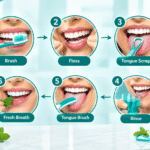
Brush Twice a Day
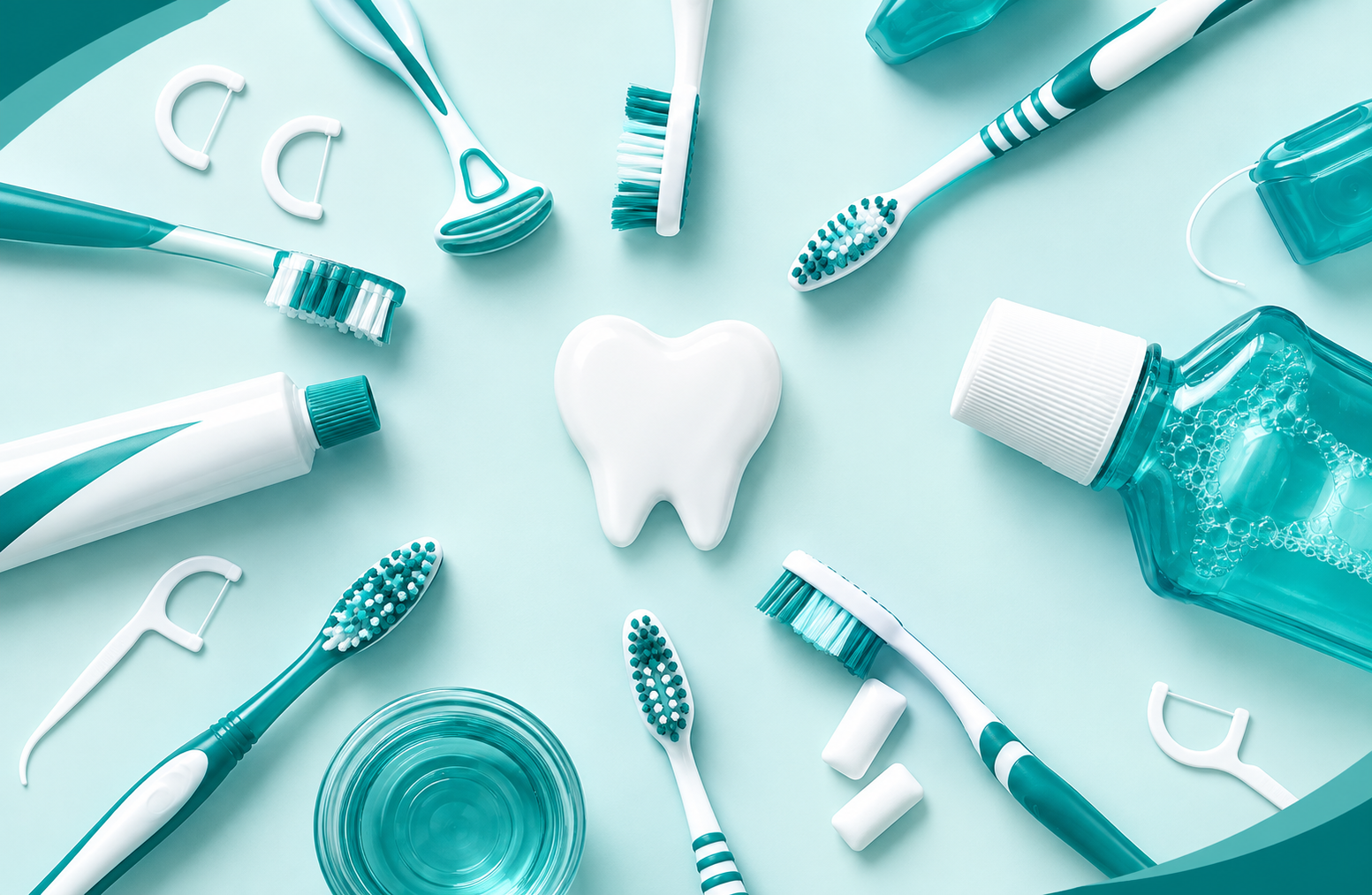
Brushing in the morning and before bed helps remove plaque and food particles from the teeth. Use a soft-bristled toothbrush and fluoride toothpaste for gentle and effective cleaning.
Clean Between Your Teeth
Food particles and plaque can remain in areas that a toothbrush may not reach easily. Floss or an interdental cleaner can help clean these narrow spaces effectively.
Keep Your Tongue Clean
The tongue can collect bacteria, food particles, and buildup during the day. Gently cleaning its surface can be included as part of your regular oral hygiene routine.
Stay Hydrated
Drinking water throughout the day can help wash away loose food particles and keep the mouth comfortable. Choosing water more often can also reduce frequent exposure to sugary drinks.
Foods and Habits That Can Affect Your Teeth
Food choices and eating patterns can influence dental health. Frequently consuming sugary foods and drinks can increase the risk of tooth decay, particularly when proper cleaning is neglected.
Sticky foods may remain on the teeth for longer periods, while acidic drinks can contribute to enamel erosion when consumed frequently. A balanced diet, sensible snacking habits, and regular cleaning can help reduce unnecessary stress on your teeth.
Certain behaviors can also cause physical damage. Chewing ice, biting pens, opening packages with your teeth, or regularly chewing very hard objects may lead to chips or cracks.
Being mindful of what you eat and how you use your teeth is another practical part of good oral care.
Understanding Tooth Sensitivity
The teeth may sometimes react with a sudden, short-lasting sensation when exposed to hot, cold, sweet, or acidic foods and drinks. Some people may also experience discomfort while brushing or breathing in cold air.
Several factors can contribute to this type of discomfort, including enamel wear, gum recession, exposed tooth surfaces, cavities, cracks, or other dental conditions. Since the underlying cause can vary from person to person, it is best not to assume the reason without a professional dental evaluation.
Using a soft-bristled toothbrush and gentle brushing movements may help reduce unnecessary irritation. If tooth sensitivity continues, occurs repeatedly, or makes eating and drinking uncomfortable, a dentist can examine your teeth and identify the underlying cause.
How to Build a Consistent Daily Dental Routine
A useful dental routine does not need to contain numerous complicated steps. The most important thing is to create a routine that you can follow consistently.
Begin your morning by brushing thoroughly and cleaning between the teeth. During the day, drink water regularly and be mindful of frequent sugary or acidic snacks. At night, brush again and clean your mouth before going to sleep.
These simple habits can strengthen your daily oral hygiene routine. They can also support dental health when combined with regular professional examinations.
Keeping dental products in convenient places, setting a reminder, or linking cleaning habits to an existing morning and evening routine can make consistency easier.
Signs That Your Teeth or Gums Need Attention
Your mouth can show several signs when something requires professional attention. Some changes may be temporary, while others can indicate a dental concern that should be examined.
Look out for:
If tooth sensitivity becomes frequent or is accompanied by pain, swelling, or another unusual symptom, it is better to seek professional advice instead of relying only on home remedies.
When Should You See a Dentist?
Regular dental visits are useful even when your teeth appear healthy. A professional examination allows the dentist to check your teeth and gums and identify concerns that may not yet be causing noticeable symptoms.
You should arrange a dental appointment if you experience persistent pain, swollen or bleeding gums, loose teeth or changes in your mouth that do not improve. Early professional attention can help determine the cause and appropriate treatment.
A dental examination can also help you understand whether your existing oral care routine is suitable for your individual needs. Professional guidance, combined with consistent home care, can support better long term maintenance of your teeth and gums.
Why Choose Dantam for Your Dental Care?
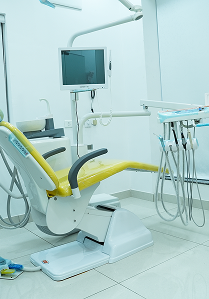
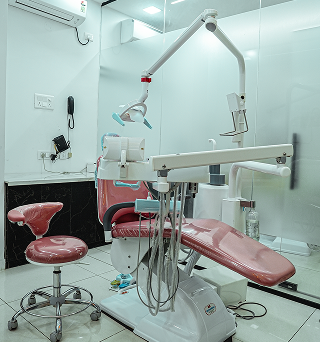
Dantam provides personalized dental services based on the individual needs of each patient. A detailed examination allows the dental team to understand existing concerns and recommend appropriate treatment or preventive measures.
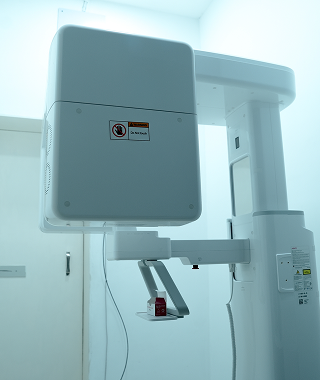
Modern dental technology and a patient focused approach are used across a range of dental services. Whether you need routine care or a specialized procedure, treatment can be planned according to your dental requirements.
Maintaining oral health is an ongoing process. Along with following a consistent home routine, professional dental visits can help you stay informed about the condition of your teeth and gums. Dantam focuses on providing oral care that supports both preventive needs and appropriate treatment.
Frequently Asked Questions
How can I keep my teeth healthy every day?
What commonly causes tooth sensitivity?
How often should I brush my teeth?
Brushing twice a day is generally recommended. Use a soft bristled toothbrush and fluoride toothpaste, and clean each area gently without applying excessive pressure.
Why is oral hygiene important?
When should I visit a dentist?
SUBSCRIBE
SUBSCRIBE TO OUR NEWSLETTER
Bleeding Gums: Causes, Symptoms, Treatment and Prevention Essay
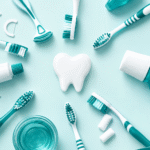
Oral Health Simple Habits for a Healthier Smile