

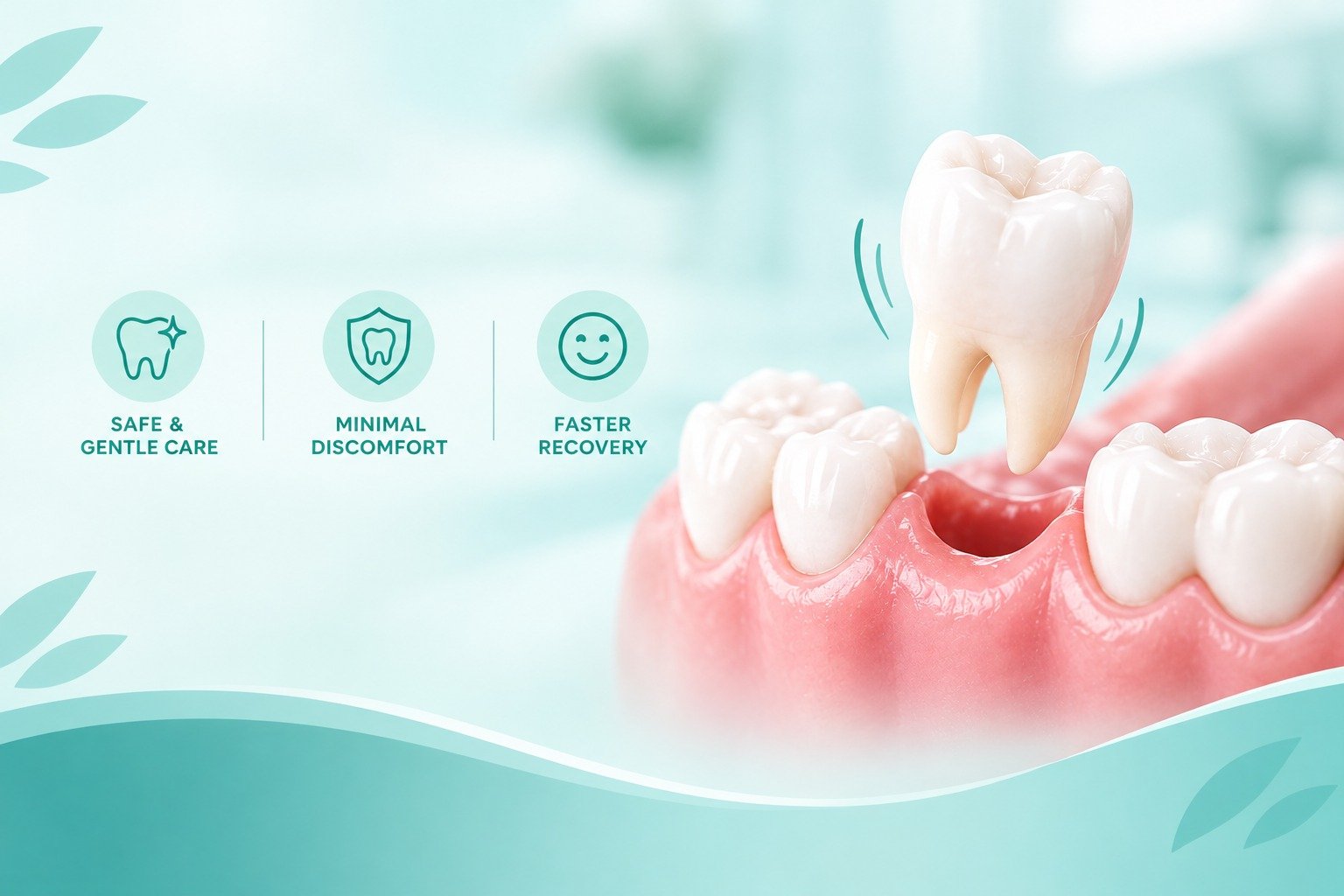
Tooth Extraction in Tellapur: Procedure, Healing & Aftercare
Dantam Clinics
October 30, 2026
Healthy teeth help you chew, speak clearly and smile with confidence. However, some teeth develop issues that cannot be corrected with routine dental treatments. These problems may include extensive decay, infection, advanced gum disease, fractures or overcrowding that affects proper Tooth alignment.
Tooth Extraction in Tellapur may be a simple or complex procedure depending on whether your tooth is visible, impacted, or broken. Your dentist will assess your teeth, discuss suitable treatments and explain any possible risks. Following the recommended aftercare advice helps protect the extraction site and promotes healthy gum healing.
We can offer dental examinations at Dantam Dental Clinic Tellapur so you know what is wrong with your teeth and what treatment is appropriate. Seeking early advice from a dental professional can help you spot problems and determine whether the tooth can be saved.
What is a Tooth Extraction?
A dentist may advise tooth removal if the damage is too severe to repair or if retaining the tooth could put nearby teeth and gum tissues at risk.
If a tooth has grown fully and is easily accessible, the dentist can often extract it using a simple procedure. The dentist numbs the surrounding tissues with local anaesthesia, gently separates the tooth from its supporting tissues, and removes it using appropriate dental tools.
Wisdom teeth removal may require a surgical extraction if a tooth breaks near the gum line, has not fully erupted, or remains trapped beneath the gum or bone. Small incisions may be needed.
Molar teeth removal may be necessary if a back tooth has extensive decay, a serious fracture, or damage that cannot be repaired successfully. Your dentist will assess the tooth and discuss possible alternatives before deciding on the next step.
Proper extraction aftercare is essential for healing. Your dentist will guide you on caring for the extraction area and preventing possible complications.
Common reasons for Tooth Extraction
Proper extraction aftercare is essential for healing. Your dentist will guide you on caring for the extraction area and preventing possible complications. Deep cavities can weaken a tooth so severely that a filling or crown may no longer provide a reliable solution. Your dentist will determine if removing the tooth is required in these cases.
Advanced gum disease is another possible cause. As the condition progresses, it can damage the bone and tissues that hold your teeth in place.If a tooth becomes very loose and cannot be stabilised with treatment, the dentist may recommend removing it. Likewise, a crack extending below the gum line can make repairing the tooth difficult or impossible.
Dental infections require prompt professional assessment. In some cases, the tooth can be preserved through root canal treatment or other restorative procedures, depending on the extent of the damage. Early dental treatment can help prevent possible complications.
Tooth crowding may also influence treatment decisions. When teeth are crowded, an orthodontist may suggest extracting certain teeth to create enough room for the remaining teeth to align correctly. Wisdom teeth may require removal if they become impacted and contribute to repeated inflammation, tooth decay, infection, or damage to neighbouring teeth.
When Should Wisdom Teeth Be Removed?
Wisdom teeth usually develop in the late teenage years or early twenties and are the last teeth to grow at the back of the mouth. Some people will have their wisdom teeth erupt normally however some will become impacted and get stuck partially or fully underneath the gum due to lack of space in the jaw.
Not every wisdom tooth needs removal. If your wisdom tooth is healthy, correctly aligned and easy to maintain, your dentist may recommend routine monitoring. They will examine its position and look for possible issues, using dental X-rays if necessary. After evaluating the findings, your dentist can determine whether extraction is needed or regular monitoring is sufficient.
Talk to your dentist about the possible benefits, risks and healing period. Leaving a problematic tooth untreated may lead to complications. If you experience severe swelling, fever or difficulty swallowing, seek urgent dental care. Your dentist will examine your wisdom teeth and suggest the most appropriate treatment for your needs.
Molar Teeth Extraction
Molars are at the back of the mouth and help break down food during chewing before swallowing. Since they handle much of the pressure created while eating, these teeth can gradually become damaged by untreated decay or cracks. Problems affecting the gums or infections around the tooth may also weaken its supporting tissues and affect its long-term health.
When a molar is extensively damaged and cannot be restored successfully, a dentist may recommend removing it. Pain or discomfort does not always mean a tooth needs removal. After examining the tooth, your dentist may suggest a filling, crown, or root canal treatment to fix the damage and preserve your natural tooth whenever possible.
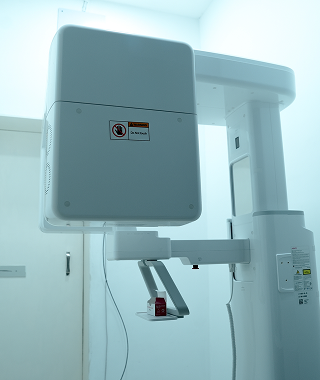
Dental X-rays allow the dentist to examine the shape and position of the roots, assess the extent of damage, and identify nearby structures that may influence treatment. Your dentist should clarify the reason for removing the tooth, explain what the procedure may involve, and guide you on caring for the area afterwards. If the tooth can be restored, your dentist may recommend treatment to save it instead of removing it.
What happens during a Tooth Extraction?
Before extraction, your dentist will conduct an examination. They will ask about your symptoms, medical history, allergies and medications. They may take x-rays to understand your tooth’s position, root structure and how it relates to the surrounding tissues.
Local anaesthetic will be used to numb the area. You may feel some pressure but should not feel any sharp pain. If you feel any significant discomfort let your dentist know.
During a simple extraction your dentist will gently rock your tooth and remove it with the correct tools. During a surgical extraction small incisions may be needed or your tooth may need to be broken up into smaller pieces.
Before undergoing Dental extraction in Tellapur, inform your dentist about any blood thinning medications you take, existing medical conditions or allergies. Never stop taking prescribed medication without professional advice. The procedure and recovery time depend on the condition of your tooth, the complexity of the extraction and your overall health. Following the recommended Extraction after care instructions can help protect the extraction site and support proper healing.
Things to know about Dental Extractions in Tellapur
Ensure you visit a qualified professional who can clearly explain your diagnosis and treatment options. A full examination will be performed to identify if your tooth needs removing or if your natural tooth can be saved.
Before your treatment, inform your dentist about your medical history, allergies, medications and any existing health conditions. Ask questions about the procedure, anaesthesia, potential risks, healing time and follow up appointments. Dental extractions in Tellapur should be planned according to your individual dental needs. Following the recommended Extraction after care instructions can help protect the extraction site and support proper healing.
Dental extractions in Tellapur should be completed with the correct infection control, comfort and individual treatment. Knowing this can help you feel more prepared. If you are comparing your options for dental extractions in Tellapur discuss the recommendations from your dentist and why they are recommending this.
Communication with your dentist is key. Let them know if you have any concerns. A professional assessment for dental extractions in Tellapur can help you understand what to expect.
How to Care for Your Mouth After Tooth Extraction
Proper care after tooth removal helps protect the blood clot, reduce discomfort and support healing. Bite gently on the gauze for the duration recommended by your dentist. During the first 24 hours, avoid forceful rinsing, spitting or touching the extraction site, as these actions may disturb the healing area.
Choose soft foods such as yoghurt, mashed vegetables, porridge and scrambled eggs. Drink enough water and avoid very hot, hard or crunchy foods that could irritate the extraction site. Avoid smoking and tobacco products because they can delay healing and increase the risk of complications after dental extraction in Tellapur.
Brush your remaining teeth carefully without disturbing the extraction area. After the first 24 hours, gently rinse your mouth with warm salt water if advised by your dentist. Take prescribed medications according to the instructions provided and follow your dentist’s recommendations for oral hygiene.
Attend any recommended follow up appointments and monitor the extraction site as it heals. Following your dentist’s instructions after molar teeth removal or wisdom teeth removal can help reduce complications and support a smoother recovery.
Why choose Dantam Dental Clinic for Tooth Extraction in Tellapur ?
It is important to choose a knowledgeable, hygienic dental professional who communicates clearly and helps you feel comfortable throughout the procedure. At Dantam Dental Clinic, you can discuss your dental concerns, suitable treatment options and what to expect during recovery.
Tooth Extraction in Tellapur should be planned according to your tooth condition, medical history and individual needs. Understanding the available treatments, potential risks and Extraction after care instructions can help you make informed decisions about your dental health.
If you experience persistent tooth pain, swelling, damaged teeth or signs of infection, schedule a dental check-up. Seeking timely advice for Dental extraction in Tellapur can help identify the underlying problem and determine the most appropriate treatment.
Frequently Asked Questions
When is wisdom teeth removal necessary?
How long does it take to recover after wisdom teeth removal?
Where can I get dental extraction in Tellapur?
Is molar teeth removal necessary for a damaged tooth?
What should I eat after molar teeth removal?
What precautions should I follow for extraction after care?
SUBSCRIBE
SUBSCRIBE TO OUR NEWSLETTER

Tooth Extraction in Tellapur: Procedure, Healing & Aftercare
Tooth Sensitivity: Why Do Your Teeth Hurt When Hot and Cold?