

Loose Tooth: Causes, Symptoms,Treatment and Prevention

Dantam Clinics
September 10, 2026
A loose tooth in an adult can be concerning, especially when you notice movement while eating, brushing, or speaking. Permanent teeth are designed to stay firmly supported by the gums, periodontal tissues, and jawbone. Tooth mobility can sometimes be linked to gum disease, injury, infection, bone loss, or excessive pressure from grinding and clenching.
Tooth movement can sometimes occur when the gums, roots, or supporting bone are affected. Gums are loose may become noticeable while chewing, biting, or applying pressure to the affected area, and a loose molar can also cause discomfort or movement during these activities. Identifying the underlying cause through a professional dental examination can help prevent further complications and support the right treatment approach.
What Is Tooth Mobility?
Tooth mobility refers to movement of a permanent tooth beyond the small amount of natural movement that may occur. Adult teeth are supported by the gums, periodontal ligament, and surrounding jawbone, which work together to keep them stable.
Baby teeth naturally become mobile as permanent teeth develop underneath them. However, noticeable movement in an adult tooth may have different causes and should be evaluated by a dental professional.
Early assessment can help determine whether the problem involves the gums, supporting bone, tooth structure, infection, trauma or excessive biting forces.
What Causes Tooth Mobility?
Gum Disease
Gum disease can develop when plaque and bacteria accumulate around the teeth and gums. Persistent inflammation may gradually affect the tissues responsible for supporting the teeth.
As periodontal disease progresses, damage to the supporting tissues and bone can affect stability. Patients who feel their gums are loose may also experience bleeding, swelling, tenderness, or gum recession.
Poor Oral Hygiene
Poor oral hygiene can allow plaque and tartar to accumulate around the teeth. Over time, this buildup may contribute to gum inflammation and periodontal problems.
Regular brushing, cleaning between the teeth, and professional dental care can help maintain healthier gums and supporting tissues.
Tooth Injury or Trauma
A fall, sports injury, accident, or direct impact to the mouth can affect the structures supporting a tooth. Biting suddenly on something very hard can also place excessive force on an individual tooth.
A tooth affected by trauma should be examined even when there is little pain because some injuries may not be immediately obvious.
Teeth Grinding and Clenching
Grinding and clenching place repeated pressure on the teeth and their supporting structures. Continuous excessive forces can contribute to tooth wear, sensitivity, discomfort, and mobility.
People who grind their teeth during sleep may not always realize they are doing it. A dental examination can help identify signs of excessive bite pressure.
Bone Loss
The jawbone provides important support for the teeth. When bone around a tooth is lost, the amount of support available to that tooth can decrease.
Bone loss may occur due to advanced periodontal disease and other oral health conditions. Dental examination and imaging can help assess the condition of the supporting bone.
Dental Infection
An infection affecting a tooth or the tissues around it may cause pain, swelling, tenderness, or sensitivity. Depending on its location and severity, infection can also affect surrounding structures.
Prompt dental evaluation is important when symptoms suggest an infection, particularly when swelling or significant discomfort is present.
What Are the Signs of Weak Teeth?
People may use the term weak teeth when they notice changes in tooth stability, sensitivity, or comfort. Some signs that may require dental attention include:
- Movement when a tooth is touched
- Discomfort while chewing
- Swollen or bleeding gums
- Gum recession
- Increased sensitivity
- Changes in the way the teeth meet
- Pain or tenderness around a tooth
- Increasing mobility over time
Recognizing these changes early can help a dentist identify the underlying problem and recommend suitable treatment.
Why Is My Molar Moving?
A loose molar can be concerning because molars handle considerable chewing forces. Problems involving the gums, supporting bone, tooth structure, infection, trauma, or excessive bite pressure may contribute to mobility.
A loose molar accompanied by pain, swelling, bleeding, or difficulty chewing should receive professional attention. A dentist can examine the tooth and surrounding tissues to determine whether stabilization or another treatment is appropriate.
What Should You Do If Your Teeth Are Wobbly?
If your teeth are wobbly, it is important to avoid placing unnecessary stress on them while arranging a dental examination.
- Avoid repeatedly touching or moving the affected area.
- Choose softer foods if chewing is uncomfortable.
- Avoid hard, crunchy, or sticky foods.
- Continue gentle brushing and interdental cleaning.
- Do not try to pull or straighten the affected tooth yourself.
- Avoid biting hard objects.
- Arrange a dental examination to identify the underlying cause.
Taking these precautions can help reduce additional pressure on the affected area until professional care is provided.
How Does a Dentist Diagnose the Problem?
Dental Examination
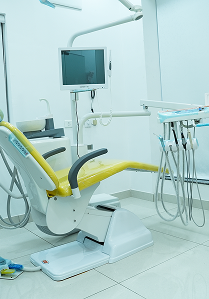
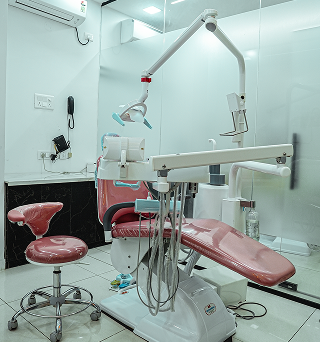
The dentist examines the affected tooth and surrounding teeth for mobility, tenderness, visible damage, and other signs of an underlying condition.
Gum Evaluation
The gums and supporting tissues are assessed for inflammation, recession, periodontal problems, and other changes that may affect stability.
Patients who feel their gums are loose may require a detailed periodontal assessment to determine whether gum disease is affecting the supporting tissues.
Dental X-Rays
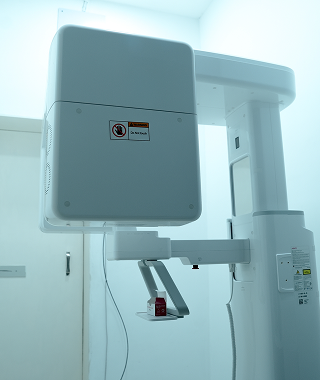
X-rays can help evaluate the supporting bone, tooth roots, possible infections, and other conditions that may not be visible during a routine dental examination.
How Is the Condition Treated?
Treatment depends on the cause, severity, and condition of the affected tooth and its supporting structures.
Professional Cleaning and Gum Treatment
When plaque, tartar, or gum disease contributes to the problem, professional cleaning and appropriate periodontal care may be recommended.
Improving gum health can help protect the tissues surrounding the teeth and support long-term oral health.
Tooth Splinting
In selected situations, a mobile tooth may be stabilized by connecting it to neighboring teeth with a dental splint.
The dentist determines whether splinting is suitable based on the cause and degree of mobility.
Treatment for Tooth Infection
If infection is contributing to the problem, treatment depends on where the infection is located and the condition of the affected tooth.
Root canal treatment may be recommended when infection involves the inside of a tooth and the tooth can be appropriately restored.
Advanced Gum Disease Treatment
When periodontal disease has affected the supporting tissues, specialized gum treatment may be necessary.
The treatment plan is based on the condition of the gums, supporting bone, and affected teeth.
Tooth Extraction and Replacement
If a tooth has extensive damage and cannot be predictably restored, extraction may sometimes be considered.
Depending on the individual case, replacement options may include dental implants, bridges, or other suitable restorations.
Can Tooth Stability Improve Again?
The possibility of improving tooth stability depends on the underlying cause and extent of damage.
When the problem is identified early, appropriate treatment may help stabilize the affected tooth in some cases. However, significant loss of supporting bone or tissues can affect the long-term prognosis.
A professional examination is the best way to determine whether stabilization or another treatment approach may be appropriate.
Why Choose Dantam for Weak Teeth Treatment?
At Dantam Dental Clinics, treatment is planned according to each patient’s dental condition, with attention to the health of the teeth, gums, and supporting structures. Patients concerned about their dental health can receive a detailed evaluation to understand the underlying cause and explore personalized treatment options.
Patients experiencing gum or tooth-related concerns can receive a comprehensive assessment of their periodontal health. If you are concerned about a loose tooth, the dental team can evaluate the affected area and determine the appropriate approach. The tooth, gums, roots, and surrounding bone can be carefully examined to understand the condition.
For patients experiencing tooth mobility, Dantam focuses on identifying the reason behind the problem rather than addressing only the visible symptom. Different factors can contribute to tooth mobility, so personalized evaluation and treatment planning are important.
Dantam Dental Clinics focuses on:
- Experienced dental professionals
- Personalized treatment planning
- Comprehensive dental and gum evaluation
- Modern diagnostic and treatment technology
- Conservative treatment where appropriate
- Comfortable, patient-focused dental care
- Complete dental solutions based on individual needs
Can Tooth Mobility Be Prevented?
Although some causes cannot always be prevented, maintaining good oral health can help protect the teeth and their supporting tissues.
People concerned about weak teeth can benefit from consistent oral hygiene and regular dental examinations.
Helpful preventive habits include:
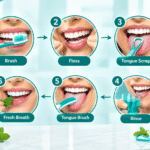
- Brush twice daily with proper technique.
- Clean between your teeth regularly.
- Visit your dentist for routine examinations.
- Get professional dental cleaning when recommended.
- Use a suitable mouthguard during contact sports.
- Seek dental advice if you grind or clench your teeth.
- Avoid biting extremely hard objects.
- Never use your teeth to open packages or containers.
If gums are loose or other gum changes are noticed, professional evaluation can help identify problems before they progress.
When Should You See a Dentist?
A dental examination is recommended when tooth movement is noticeable or increasing. You should seek professional care if:
- The affected area becomes increasingly mobile.
- Pain or swelling develops.
- Your gums bleed frequently.
- You notice pus or an unpleasant taste.
- A tooth becomes mobile after an injury.
- You have difficulty chewing.
- Several teeth begin to move.
- There are noticeable changes in your bite.
Frequently Asked Questions
Is tooth movement normal in adults?
Can gum disease cause tooth mobility?
Why are my teeth wobbly when I chew?
Can weak teeth become stronger?
What should I do if my molar is moving?
Can a mobile tooth be saved?
Can brushing make a mobile tooth worse?
SUBSCRIBE
SUBSCRIBE TO OUR NEWSLETTER
Bleeding Gums: Causes, Symptoms, Treatment and Prevention Essay

Oral Health Simple Habits for a Healthier Smile