

Tooth Abscess in Tellapur : Causes, Symptoms, Treatment and Prevention

Dantam Clinics
October 9, 2026
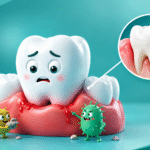
A Tooth abscess in Tellapur is a bacterial infection that creates a pocket of pus inside a tooth, near its root, or within nearby tissues. It can develop when untreated decay, gum disease, cracks, or dental trauma allow bacteria to move into deeper areas. Common warning signs include persistent pain, swelling, sensitivity, discomfort while chewing, an unpleasant taste, and fever.
A dental examination helps identify where the infection began and whether the patient needs drainage, root canal treatment, extraction, periodontal care or medication.
What Is a Dental Abscess?
A dental abscess is a localized collection of infected material caused by bacterial infection. It may originate within the tooth or in tissues surrounding it. A cavity that reaches the pulp can allow bacteria to enter the inner chamber, while periodontal problems can affect the tissues supporting the tooth.
The condition may cause severe pain and swelling, but some infections produce only mild discomfort or a small area of swelling. Because symptoms can differ considerably, a professional examination is necessary to identify the source.
What Causes an Abscessed Tooth?
Untreated Tooth Decay
Deep decay can eventually reach the pulp, where nerves and blood vessels are located. Bacteria entering this area can trigger inflammation and infection. Without treatment, the infection may extend beyond the root and affect nearby bone and tissues.
Gum Disease
Advanced periodontal disease can create deep pockets between the gums and teeth. These spaces can collect bacteria and debris, increasing the risk of localized infection. Consistent oral hygiene and professional periodontal care can reduce this risk.
Cracked or Damaged Teeth
A fractured tooth can provide bacteria with access to deeper structures. Cracks caused by trauma, biting hard foods, or long term grinding may initially produce little discomfort. However, damage that reaches the inner portion of the tooth requires prompt dental assessment.
Previously Treated Teeth
A previously treated tooth can develop infection again because of reinfection, leakage, an untreated canal, structural damage, or other complications. New pain, swelling, or sensitivity around a treated tooth should be evaluated rather than ignored.
Common Symptoms to Watch For
- Persistent or throbbing tooth pain
- Swelling near the tooth, gums, or face
- Pain during biting or chewing
- Sensitivity to hot or cold
- Tenderness around the affected area
- Bad taste or foul smelling drainage
- Fever or feeling unwell
- Difficulty opening the mouth
- Tender or swollen lymph nodes
How a Gum Abscess Develops
A gum abscess can form when bacteria infect the gum tissue or collect within a periodontal pocket. The affected area may become red, swollen, tender, or develop a pimple like bump. Poor oral hygiene, periodontal disease, trapped food, or an injury can contribute to the problem.
When the infected area drains naturally, swelling may become less pronounced, but drainage does not necessarily remove the cause. If the source remains untreated, the infection may return. Infection can also involve nearby periodontal tissues or a tooth, making professional diagnosis important.
A gum abscess should therefore be evaluated even when the discomfort becomes less noticeable after drainage.
Wisdom Tooth Infection and Dental Abscesses
A wisdom tooth infection commonly develops when a third molar is partially erupted or difficult to clean. Food particles and bacteria can become trapped around the tooth, causing inflammation, swelling, pain, or an unpleasant taste. Some people may also have difficulty chewing or opening the mouth.
A recurring wisdom tooth infection may require dental X-rays to assess the tooth’s position, roots, and surrounding structures. Depending on the findings, the dentist may recommend cleaning, medication when appropriate, or removal of the tooth.
The condition should be assessed promptly if it is accompanied by fever, increasing swelling, or difficulty swallowing. Early care can reduce the chance of the infection spreading to nearby tissues.
What Is a Gingival Abscess?
A gingival abscess is a localized infection affecting the gum tissue. It can appear as a small, painful swelling close to a tooth, sometimes with fluid discharge. It may occur when bacteria enter an injured area or when foreign material becomes embedded in the gum.
A gingival abscess should be distinguished from an infection that originates deeper around the tooth. During an examination, the dentist evaluates the tooth, gums, and surrounding structures to determine the source.
If periodontal disease is responsible, periodontal treatment may be required. Recurring localized gum swelling can signal an unresolved local problem and should therefore be assessed professionally.
Persistent gum swelling should not be dismissed, particularly when it repeatedly appears in the same location. The problem may return if the underlying cause is not addressed.
A gingival abscess can therefore require a different treatment approach depending on whether the infection is limited to the gum or associated with another dental condition.
Signs of Pus in Gums
Pus in gums can appear as yellowish or whitish fluid coming from a swollen area or small bump. It is commonly associated with bacterial infection and may be accompanied by redness, tenderness, swelling, or an unpleasant taste.
This discharge should not be squeezed or punctured at home. Manipulating the area can irritate the tissue and may contribute to the spread of bacteria. Even when the swelling becomes smaller after drainage, the underlying source may remain.
Persistent discharge should be evaluated by a dentist, especially when it is accompanied by pain, recurring swelling, fever, or bad taste. Prompt assessment can help determine whether the problem involves the gum, tooth, or periodontal tissues.
If pus in gums keeps returning after temporary drainage, professional treatment is important because repeated discharge may indicate that the infection has not been fully resolved.
How Dentists Diagnose a Dental Abscess
Dental Examination
The dentist examines the teeth, gums, and surrounding soft tissues for swelling, tenderness, drainage, discoloration, or other signs of infection. The affected tooth may also be tested to assess its condition.
Dental X-Rays
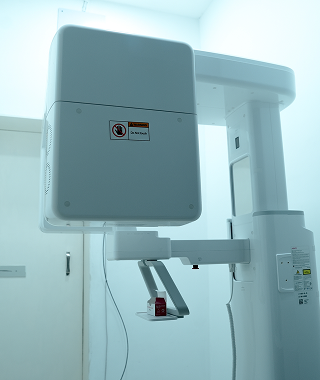
X-rays can reveal changes that are not visible during a routine examination. They may show infection around a root, bone changes, impacted teeth, or other problems that could be contributing to symptoms.
Identifying the Source
Treatment depends on where the infection began. An infection inside a tooth may require endodontic care, while an infection around the gums may require periodontal treatment. Accurate diagnosis helps the dentist select the most appropriate approach.
Treatment Options for Dental Abscess
Root Canal Treatment
When infection affects the pulp and the tooth can be restored, root canal treatment may help preserve the natural tooth. The dentist removes infected tissue, cleans and disinfects the canals, then seals and restores the tooth.
Drainage of Infection
If a collection of infected fluid needs to be released, the dentist may perform a controlled drainage procedure. This can reduce pressure and swelling while other treatment addresses the underlying source.
Tooth Extraction
If a tooth is severely damaged and cannot be predictably restored, extraction may be recommended. The dentist considers the tooth’s structure, surrounding tissues, and overall prognosis before making this decision.
Treatment for Gum Related Infection
When infection originates in the gum tissues, treatment depends on the cause and severity. Professional cleaning, periodontal treatment, or other procedures may be recommended to control the infection and improve gum health.
Antibiotics
Antibiotics may be prescribed when there are signs of spreading infection or systemic involvement. They should be used only according to the dentist’s instructions. Medication alone may not eliminate the dental source, so definitive treatment may still be necessary.
What Happens If an Abscess Is Left Untreated?
An untreated dental infection can become more extensive and affect tissues around the affected area. A gum abscess, gingival abscess, or wisdom tooth infection may worsen when the underlying cause is not treated. Pain and swelling can increase, and infection may sometimes spread into the face, jaw, or neck.
Severe infections may cause fever, difficulty opening the mouth, or problems with swallowing and breathing. Pus in gums can also indicate an active infection that requires professional evaluation. These symptoms can require urgent attention. Home remedies may provide temporary comfort but should not replace appropriate dental treatment.
When Should You See a Dentist?
- Persistent tooth or gum pain
- Swelling around the gums, tooth, or face
- A recurring bump on the gums
- Drainage or an unpleasant taste
- Pain when biting
- Fever with dental symptoms
- Facial swelling
- Difficulty opening the mouth
- Difficulty swallowing or breathing
How to Prevent Dental Infections
- Brush twice daily with fluoride toothpaste.
- Clean between the teeth every day.
- Reduce frequent sugary snacks and drinks.
- Attend regular dental examinations.
- Treat cavities promptly.
- Have cracked or damaged teeth examined.
- Follow professional recommendations for gum care.
- Do not ignore persistent pain, swelling, or sensitivity.
Why Choose Dantam Dental Clinic in Tellapur for Gum abscess
Dantam focuses on identifying the source of infection before selecting a treatment plan. A detailed dental examination can help determine whether the problem involves the tooth, gum tissues, or supporting structures.
Modern diagnostic and dental technologies can support accurate assessment and personalized treatment planning. Seeking professional care early can also help prevent a Tooth Abscess in Tellapur from progressing or recurring.
For patients with a gum abscess, treatment is selected according to the cause and severity. Depending on the diagnosis, care may include professional cleaning, drainage, root canal treatment, or extraction when the affected tooth cannot be restored. Dantam provides evaluation and treatment for a range of dental and gum related concerns.