

Bleeding Gums: Causes, Symptoms, Treatment and Prevention Essay
Dantam Clinics
October 1, 2026
Your gums provide essential protection for your teeth and overall well being. Healthy gums are typically tough but nonetheless occasionally bleed on their own. However, bleeding gums that occurs on a regular basis might be an indicator of a more severe problem that requires therapy. There are several distinct causes of gum bleeding. The precise etiology will have an influence on the methods of treatment and prevention.
Cause
Gum Disease As A Cause Of Gum Bleeding
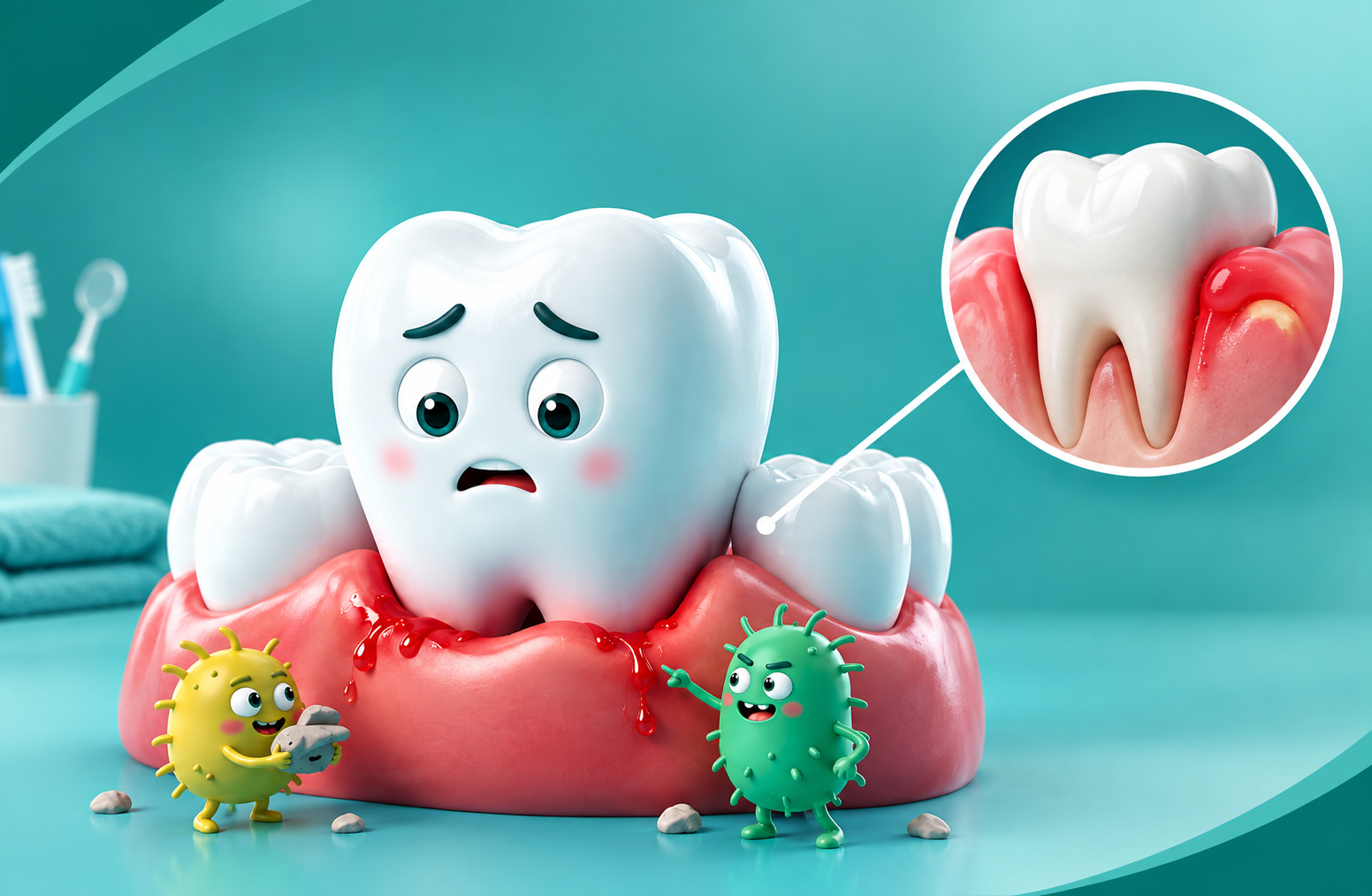
Gum disease is brought on by bacteria and plaque buildup, leading to inflamed, tender, and occasionally bleeding on teeth. When plaque accumulates on the teeth and along the gumline, it leads to gingivitis. Gingivitis may cause gums to inflame, redden, and occasionally mouth bleed.
If left untreated, gingivitis might develop into a more serious condition known as periodontitis. Periodontitis is a severe infection that affects the tissues surrounding the teeth, resulting in the formation of pockets around the teeth. When someone has periodontitis, gums with gum disease may bleed when they brush or floss.
When dealing with periodontitis, it is critical to seek care as soon as possible in order to prevent the destruction of the tissues that support your teeth. Gum disease, like gingivitis and periodontitis, can be successfully treated if detected and diagnosed early by a dental practitioner.
Common Causes Of Gum Bleeding
Plaque
Plaque is a thin layer of mucus that adheres to the teeth and hardens along the gumline if not carefully and consistently cleaned. Daily brushing and interdental cleaning are necessary to remove it. When it builds up along the gumline, it might lead to inflamed gums.
When plaque is allowed to accumulate on the teeth and gums, it can lead to periodontitis, a severe chronic infection. Tartar, another name for calculus, is a hard, gritty buildup that might develop on the teeth. This kind of plaque can only be removed by your dentist during a professional cleaning.
When plaque irritates the gums, they may become inflamed and sensitive, leading to bleeding on teeth during routine tooth cleaning.
Brushing With Excessive Pressure
Gum bleeding might also be caused by brushing with excessive force. Too much pressure while brushing can irritate and harm the gums, resulting in bleeding and recession. To avoid this, you should use a soft bristled brush and a delicate touch while brushing your teeth.
If you continue to have gum bleeding despite switching to a delicate brushing technique, you should see your dentist to rule out any underlying periodontal disorders.
Inadequate Cleaning Between Teeth
Food and plaque debris might enter the gaps between teeth if you do not clean there regularly. This tangle might irritate the gums, leading to inflammation and bleeding. A frequent cause of gum bleeding is the accumulation of plaque between the teeth. Daily flossing or interdental cleaning is the best protection.
It is also critical to maintain a consistent interdental cleaning regimen because irregularity might result in teeth bleeding. Gum bleeding is most likely not caused by irregular cleaning; however, if the issue persists, see your dentist to rule out other causes.
Hormonal Changes
If you are a woman, you are familiar with the hormonal changes that occur throughout the menstrual cycle. These fluctuations have an effect on many systems in the body, including the periodontium. During these hormonal transitions, there is a greater chance of developing inflamed gums that bleed.
Maintaining excellent oral hygiene practices and visiting the dentist for regular teeth cleaning can help regulate the effects of hormonal changes on the gums. Although they are a transient phenomenon, gum bleeding should not be dismissed as an inconsequential irritation.
Other Causes
There is a lengthy list of potential causes for inflamed gums, which include the following:
- Some drugs have a bleeding inducing effect as a side effect.
- Tobacco use contributes to periodontitis and gingivitis.
- Inflammation of the gums might be triggered by poor oral hygiene.
- Inflammation of the gums might be caused by a lack of essential vitamins and minerals in the diet.
- Periodontitis and gingivitis may be caused by ill fitting dentures.
- Several illnesses are known to be connected to periodontitis.
- Mouth bleed, periodontitis, gingivitis, and other periodontal disorders are all made worse by infectious bacteria.
- Inflammation of the gums and other periodontal disorders are made worse by the use of tobacco.
Since gum bleeding has many possible underlying reasons, each of which requires a separate treatment, it is critical that recurring gum bleeding be evaluated rather than treated at home.
Symptoms
Teeth bleeding is only one of the several periodontal disorder symptoms. A number of other symptoms, including inflamed gums, might arise. Additionally, gum bleeding can be a sign of periodontitis or gingivitis.
Symptoms of gum disease include inflamed, crimson gums that bleed easily when touched or brushed. These symptoms, along with shifting, rotating, or loosening teeth or discomfort when chewing, may suggest periodontitis or gingivitis. As periodontitis and gingivitis lead to periodontal pocket formation, symptoms become more prominent.
In addition, gums with gum disease often recede, exposing the tooth roots. Another typical sign of periodontitis is unpleasant or foul smelling exhalation from the mouth. One should not dismiss gum bleeding as an everyday occurrence but rather bring it to the dentist’s attention.
Impact Of Gum Disease On Oral Health
Gum disease, if not treated, can cause serious periodontal problems. A minor gum infection, such as gingivitis, often causes the gums to redden, inflame, and bleed. In periodontitis, the gums separate from the teeth, creating deep pockets that are challenging to clean.
As periodontitis progresses, it may damage the supporting tissues around the teeth, resulting in tooth loss and loosening. In addition, receding gums can make teeth more sensitive to cold and hot drinks. Bleeding on teeth, bad breath, and inflamed gums are all signs of periodontitis.
Because the supporting structures of the teeth are harmed when periodontitis occurs, proper therapy is required to avoid tooth mobility and loss. As a result, if bleeding persists on the gums, it is critical to see a dentist to rule out periodontitis and other periodontal disorders.
When To See A Dentist
Even though a single bleeding incident is normal, multiple bleeding incidents require medical attention. You should see a dentist if you have regularly inflamed, crimson gums that bleed easily.
To identify periodontitis or gingivitis and the underlying reason for your gum bleeding, your dentist may perform a comprehensive periodontal examination. He/she will also inquire as to whether you have recently experienced a change in your oral hygiene or are using a new product.
In addition, your dentist may recommend a professional dental cleaning to remove any calculus buildup from your teeth during your appointment. If your dentist detects periodontitis, he/she may suggest periodontal therapy.
Treatment Of Gum Bleeding Issues
The therapy for gum bleeding is determined by a variety of variables. A comprehensive periodontal examination will aid in determining whether you have periodontitis, gingivitis, or another periodontal disorder. During the examination, the dentist or periodontist will evaluate your plaque and calculus levels.
He/she will also check for signs of periodontal inflammation, periodontal probing depth, and other symptoms. He/she will then create a treatment plan based on the findings.
A dental professional may provide treatment for periodontitis and gingivitis. Gum bleeding is sometimes the result of periodontal disorders such as periodontitis and gingivitis. If your dentist discovers that gum bleeding is a result of an underlying periodontal disease, he/she will determine the therapy.
Calculus deposits are often removed during professional dental cleaning. Furthermore, your dentist may provide you with instructions regarding tooth cleaning and interdental plaque removal to prevent periodontal disease. If you have periodontitis, your dentist may recommend periodontal therapy.
Prevention
Several methods are available to prevent periodontal disease and inflammation of the gums. Following these simple guidelines will assist in maintaining healthy gums that rarely bleed:
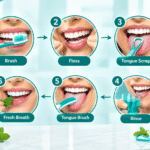
- Brush your teeth twice daily with a soft bristled brush.
- Floss every day to keep plaque away from your interdental areas.
- To avoid irritating your gums, do not brush too hard.
- To keep plaque and calculus at bay, replace your toothbrush frequently.
- Visit your dentist for regular dental cleaning and examination.
- Maintain a healthy diet that is high in vitamins and minerals.
- Limit your consumption of tobacco and alcoholic beverages.
- Follow all dental care instructions provided by your dentist to keep your gums and teeth healthy.
If you have gum bleeding on a regular basis that do not appear to be caused by brushing, it is critical that you see a dentist for treatment. Following these recommendations will help you maintain healthy gums free of periodontitis and other periodontal diseases.If tooth sensitivity becomes frequent or is accompanied by pain, swelling, or another unusual symptom, it is better to seek professional advice instead of relying only on home remedies.
Can Gum Bleeding Be Prevented?
You can prevent gum disease by taking excellent care of your teeth and gums. The key to preventing gum disease is to keep your mouth clean and free of germs. Gum bleeding is a warning sign that your gums may require extra care, especially when you notice bleeding on teeth during brushing or flossing.
When you brush your teeth, you might notice that your gums are inflamed. Other symptoms of periodontal disease and gingivitis include inflamed gums, tender gums, unpleasant breath, and receding gums with gum disease. If you experience a mouth bleed regularly, it is important to address these warning signs as soon as possible to maintain healthy gums.
Visiting the dentist for regular teeth cleaning and examination is an essential step in preventing periodontal disease. During these appointments, your dentist can detect periodontal disorders in their incipient stages and recommend appropriate care for maintaining healthy gums.
Why Choose Dantam For Gum Treatment
Our goal at Dantam is to make sure that we have a comprehensive understanding of the underlying causes of your bleeding gums before determining the most appropriate course of therapy. Our Dental professionals will thoroughly inspect you to see whether you have periodontitis, gingivitis, or another periodontal disorder.
They’ll also think about your brushing and interdental cleaning habits, as well as plaque and calculus buildup, periodontal probing, and other periodontal measurements. Our Dentists will go over potential options for preventing and treating periodontal disease, bleeding on teeth, and mouth bleed depending on your requirements and preferences.
Professional dental cleaning, periodontal therapy, and other treatments may be necessary to treat periodontitis or gingivitis. If you have symptoms, we encourage you to come in for an appointment so that we may determine the underlying cause of your gums with gum disease and recommend a suitable course of treatment.
Frequently Asked Questions
Are Gum Bleeding Normal?
Can Gum Disease Cause Teeth Bleeding?
What Should I Do If My Gums Bleed Regularly?
Can Harsh Brushing Cause Gum Bleeding?
When Should I See A Dentist About My Gum Bleeding?
How Can I Keep My Gums Healthy?
SUBSCRIBE
SUBSCRIBE TO OUR NEWSLETTER
Bleeding Gums: Causes, Symptoms, Treatment and Prevention Essay

Oral Health Simple Habits for a Healthier Smile