

Pediatric Dentistry in Nallagandla: Complete Guide to Children’s Oral Care
Dantam Clinics
August 19, 2026
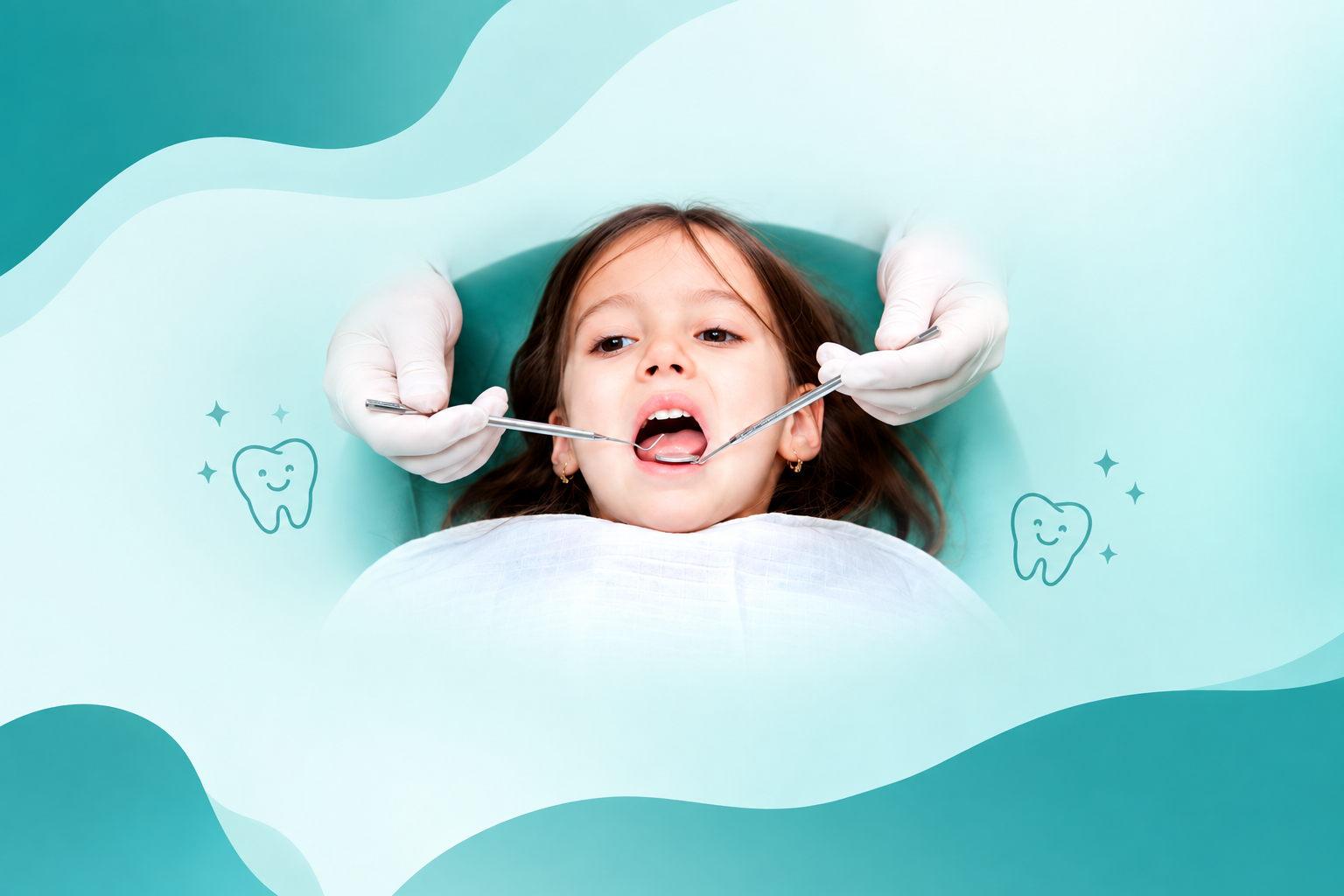
Children need specialized dental attention because their teeth, gums, jaws, and oral habits continue to develop as they grow. Pediatric dentistry in Nallagandla focuses on age-appropriate dental care that helps protect young smiles, prevent common oral problems, and support healthy dental development.
Regular dental visits can help identify cavities and other concerns early while encouraging children to develop positive oral hygiene habits. Preventive care, professional cleaning, fluoride treatments, dental sealants, and appropriate restorative procedures can all contribute to better oral health throughout childhood.
What Is Pediatric Dentistry?
Understanding Dental Care for Children
Children’s teeth and oral structures differ from those of adults, so their dental needs can change as they grow. Age appropriate dental care considers the child’s stage of development, oral hygiene habits, diet, tooth eruption, and overall dental health. Early professional guidance can help parents understand how to care for baby teeth and permanent teeth while supporting healthy oral development.Why Early Dental Visits Matter
Early dental visits can help:- Detect dental problems at an early stage
- Reduce the risk of tooth decay
- Establish healthy brushing and flossing habits
- Help children become comfortable with dental visits
- Allow dentists to monitor tooth and jaw development
Common Dental Problems in Children
Tooth Decay and Cavities
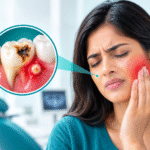
Cavities are among the most common dental concerns in children. Frequent sugary snacks, inadequate brushing, and poor oral hygiene can increase the risk of tooth decay.
Early examination can help identify cavities before they become more complicated.
Tooth Sensitivity
Children may experience sensitivity due to tooth decay, enamel concerns, dental injuries, or other oral conditions. A dental examination can help determine the underlying cause.
Gum Problems
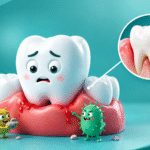
Poor oral hygiene can contribute to plaque accumulation and gum irritation. Regular brushing, flossing, and professional dental care can help maintain healthy gums.
Thumb Sucking and Oral Habits
Some childhood habits can influence the development and positioning of teeth and jaws. Dentists can guide parents when habits continue for an extended period.
Early or Late Tooth Eruption
Children develop at different rates, but unusual changes in tooth eruption may require professional evaluation. Regular checkups allow dentists to monitor dental development.
Dental Injuries and Broken Teeth
Falls, sports activities, and accidents can cause chipped, fractured, or displaced teeth. Prompt dental evaluation is important after a significant dental injury.
Importance of Kids Dental in Tellapur
Maintaining children’s oral health requires regular attention at home as well as professional care.
Regular Dental Checkups
Routine examinations allow dental professionals to monitor oral health and identify concerns before they become more serious.
Professional Cleaning for Children
Professional cleaning can help remove plaque and buildup that may be difficult to manage with routine brushing alone.
Fluoride Treatments
Fluoride can help strengthen tooth enamel and reduce the risk of decay. A dentist can determine whether fluoride treatment is appropriate for a child.
Dental Sealants
Dental sealants can protect the grooves and pits of certain teeth where food particles and plaque can accumulate. They may be recommended based on a child’s individual risk of tooth decay.
Monitoring Tooth Development
Regular appointments allow dental professionals to observe tooth eruption, spacing, jaw development, and other changes as children grow.
What Does Pediatric Dental Care Include?
Pediatric dental care involves preventive, diagnostic, and restorative services designed around children’s oral health needs.
Preventive Dental Checkups
Regular examinations help assess teeth, gums, oral hygiene, and dental development.
Cavity Prevention and Treatment
Dentists can recommend preventive measures and appropriate treatment when cavities are detected.
Professional Teeth Cleaning
Professional cleaning can support everyday brushing and help maintain healthier teeth and gums.
Fluoride Application
Fluoride application may help strengthen enamel and support cavity prevention when recommended by a dental professional.
Dental Sealants
Sealants can provide an additional protective layer over vulnerable chewing surfaces of certain teeth.
Monitoring Jaw and Tooth Development
Regular monitoring can help identify developmental concerns and determine whether further evaluation or treatment may be needed.
Building Healthy Children’s Dental Care Habits
Developing good oral hygiene habits during childhood can help support healthy teeth and gums as children grow.
Brushing Twice a Day
Children should be encouraged to brush their teeth twice daily using an age-appropriate toothbrush and fluoride toothpaste as recommended by their dental professional.
Teaching Proper Flossing
Once teeth are positioned closely enough to touch, flossing can help clean areas that a toothbrush cannot reach effectively. Parents may need to assist younger children.
Limiting Sugary Foods and Drinks
Frequent consumption of sugary foods and drinks can increase the risk of tooth decay. Parents can encourage healthier snack and beverage choices.
Encouraging Healthy Eating Habits
A balanced diet supports overall health and can contribute to healthy teeth and gums. Children should be encouraged to develop nutritious eating habits from an early age.
Scheduling Regular Dental Visits
Routine dental appointments help monitor oral health and provide opportunities to reinforce good hygiene practices.
When Should a Child Visit a Pediatric Dental Clinic?
Parents should arrange a dental visit when a child develops teeth and continue regular checkups as recommended by the dental professional.
Recommended Age for the First Dental Visit
An early dental examination allows professionals to assess oral development and provide parents with guidance on cleaning, diet, fluoride, and cavity prevention.
Signs That a Child Needs a Dental Checkup
Parents should consider a dental examination if a child experiences:
- Toothache
- Tooth sensitivity
- Swollen or bleeding gums
- Visible cavities
- Broken or chipped teeth
- Difficulty chewing
- Unusual tooth eruption
Importance of Regular Follow-Up Visits
Regular follow-ups allow dental professionals to monitor changes over time and adjust preventive care according to the child’s needs.
How a Kids Dentist Helps Prevent Dental Problems
A kids dentist can support children’s oral health by combining preventive care, early diagnosis, and age-appropriate dental guidance.
Early Detection of Cavities
Routine examinations can identify early signs of tooth decay and allow appropriate care before problems become more extensive.
Tracking Tooth and Jaw Development
Monitoring dental development helps identify unusual eruption patterns, spacing concerns, and other changes that may require attention.
Preventive Treatment Planning
A dentist can recommend suitable preventive measures based on the child’s oral health, cavity risk, age, and dental development.
Helping Children Feel Comfortable During Dental Visits
Using simple explanations and a patient approach can help children understand dental procedures and develop more positive attitudes toward oral care.
Pediatric Dental Treatments for Common Childhood Problems
Cavity Treatment
Depending on the extent of decay, treatment may involve removing the affected portion and restoring the tooth with an appropriate material.
Tooth-Colored Restorations
Tooth-colored restorative materials can be used in suitable cases to repair damaged or decayed teeth while maintaining a natural appearance.
Fluoride Treatment
Professional fluoride treatment may be recommended to strengthen enamel and reduce the risk of cavities.
Dental Sealants
Dental sealants may be placed on selected chewing surfaces to help protect areas that are more difficult to clean.
Treatment for Dental Injuries
Children with damaged teeth may require prompt examination to assess the injury and determine appropriate treatment.
Space Maintainers When Required
When a baby tooth is lost earlier than expected, a space maintainer may sometimes be recommended to help preserve the space needed for the developing permanent tooth.
Benefits of Regular Children’s Dental Checkups
Regular dental visits can provide several benefits for growing children.
Prevents Tooth Decay
Early preventive care and professional guidance can help reduce the risk of cavities.
Supports Healthy Tooth Development
Routine examinations allow dentists to monitor the development and eruption of teeth.
Encourages Better Oral Hygiene
Dental professionals can teach children and parents effective brushing and flossing techniques.
Identifies Problems Early
Early detection can make it easier to manage many dental concerns before they progress.
Builds Positive Dental Experiences
Regular, comfortable appointments can help children become familiar with dental care and reduce fear associated with unfamiliar dental procedures.
How to Choose the Right Pediatric Dental Clinic
Choosing the right clinic can help parents feel more confident about their child’s dental care.
Look for Experienced Dental Professionals
Consider the dental team’s experience in treating children and their ability to communicate effectively with young patients.
Check Child-Friendly Facilities
A welcoming environment can make dental appointments more comfortable for children.
Consider the Range of Treatments
Parents can look for a pediatric dental clinic that provides preventive examinations as well as appropriate treatments for common childhood dental concerns.
Review Hygiene and Safety Standards
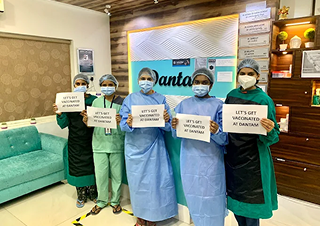
Clean facilities, appropriate sterilization procedures, and professional safety practices are important considerations when selecting a dental clinic.
Choose a Clinic That Communicates Clearly With Parents
Good communication helps parents understand their child’s oral health, treatment options, preventive measures, and recommended follow-up care.
Why Choose Dantam Dental Clinic for Kids Dental in Tellapur?
Dantam Dental can be considered by parents looking for a structured approach to children’s dental care. Pediatric dentistry in Nallagandla at Dantam Dental focuses on preventive care, early identification of dental concerns, and age-appropriate treatment planning.
Child-Friendly Dental Environment
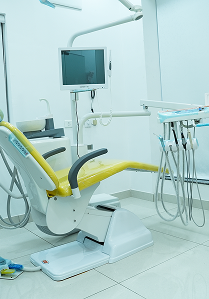
A comfortable and welcoming environment can make dental visits easier for children. Friendly communication and age-appropriate explanations can help children understand what happens during their appointments and feel more comfortable during treatment.
Age-Appropriate Dental Treatments
Children may require different approaches depending on their age and dental development. Dantam Dental can provide suitable preventive or restorative procedures based on each child’s individual dental needs.
Focus on Preventive Oral Care
Preventive care focuses on reducing the risk of cavities and other dental concerns. Regular examinations, professional cleaning, fluoride treatments, and dental sealants may be recommended when appropriate.
Comfortable Dental Visits for Children
Positive dental experiences can help children become more confident about maintaining their oral health. A child-friendly approach, professional guidance, and clear communication can help parents understand their child’s dental needs and support healthy habits at home.
Professional Guidance for Growing Smiles
Regular dental appointments allow professionals to monitor tooth eruption, oral development, and potential dental concerns. Parents can also receive guidance on brushing, flossing, diet, and maintaining good oral hygiene as their child grows.
Modern Dental Care and Personalized Attention
Dantam Dental focuses on modern dental care and professional guidance to support children through different stages of dental development. Parents can consider factors such as dental expertise, treatment options, hygiene practices, technology, communication, and their child’s individual needs when choosing a dental clinic.