

Healthy Teeth Simple Dental Care Habits to Follow
Dantam Clinics
September 18, 2026
Maintaining Healthy teeth starts with understanding how everyday choices affect your mouth. Oral care is not limited to brushing in the morning and at night. The food you choose, the way you clean between your teeth, the habits you follow during the day, and the attention you give to unusual changes can all influence your oral condition. A practical routine followed consistently can help keep your mouth clean, comfortable, and easier to manage over time.
What Can Tell You That Your Teeth Are Doing Well?
Your teeth can give you several signs about your everyday oral condition. Teeth that feel comfortable while eating, drinking, and speaking are generally a positive sign. The gums should also be observed because changes around the gumline can sometimes appear before noticeable tooth discomfort.
Normal teeth should not regularly cause pain or discomfort during routine activities. Persistent sensitivity, bleeding, swelling, or changes in the appearance of a tooth should be taken seriously. Paying attention to what feels usual for your mouth can make it easier to identify changes at an early stage.
Create a Simple Morning Oral Care Routine
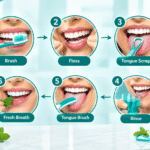
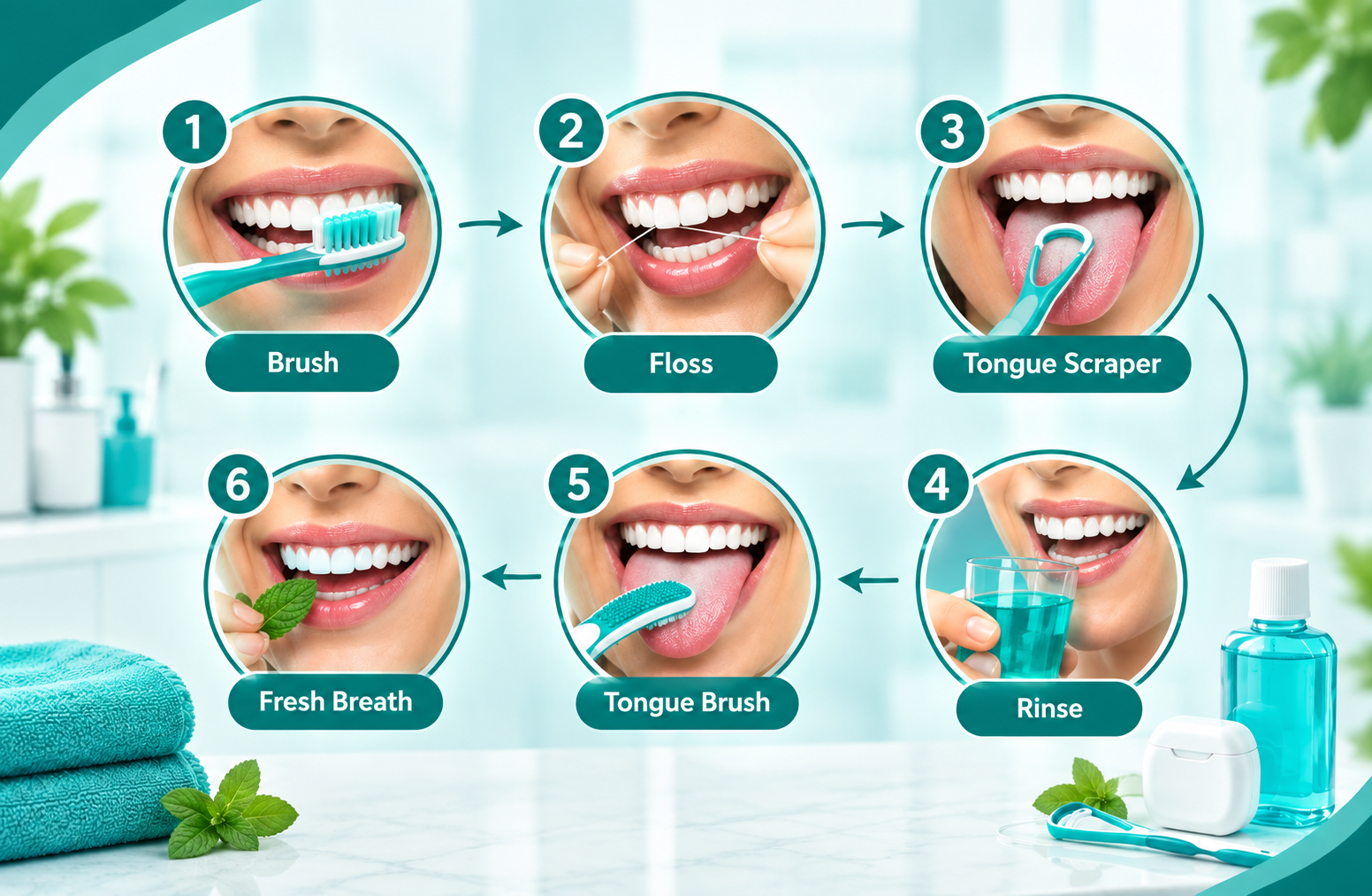
A good morning oral care routine does not need to take a lot of time. Start by brushing gently with fluoride toothpaste and a soft bristled toothbrush. Move the brush across the front, back, and chewing surfaces of each tooth instead of focusing only on the areas that are easy to see. Consistent morning cleaning can help maintain strong teeth and a cleaner mouth throughout the day.
Give attention to the area where the teeth meet the gums, but avoid pressing the toothbrush too firmly. Hard brushing can irritate delicate gum tissue and may contribute to enamel wear over time. Gently cleaning the tongue can also remove accumulated debris and support fresher breath after sleeping. These simple steps can contribute to keeping strong teeth as part of a regular oral care routine.
After eating breakfast, rinsing your mouth with water can help remove loose food particles when brushing straight away is not practical. The most useful routine is one that fits naturally into your morning and can be followed consistently every day.
Give Your Teeth Protection Throughout the Day
Your oral care habits continue after your morning routine. Frequent exposure to sugary foods and drinks can give harmful mouth bacteria more opportunities to produce acids. Instead of constantly sipping sweetened beverages or eating sugary snacks, try to keep them less frequent.
Water is a simple choice throughout the day, particularly after meals. If food becomes trapped between teeth, interdental cleaning can help remove it instead of using sharp objects or fingernails.
Teeth should also not be treated as tools. Opening packets, cutting thread, holding objects, or biting very hard items can place unnecessary stress on them. Protecting your teeth from these small daily risks can contribute to maintaining strong teeth over the years.
Choose Foods That Support Your Smile
Your diet can influence your oral environment. Rather than focusing on one “perfect” food, aim for balanced meals containing a variety of nutrients. Dairy foods can provide calcium and other nutrients, while vegetables and fruits can be useful additions to everyday meals.
The frequency of sugar exposure matters as well. Regularly consuming sweets, sweetened drinks, or sticky foods can increase the amount of time teeth are exposed to sugars and acids. Keeping these foods occasional and maintaining regular water intake can make everyday oral care easier.
A balanced eating pattern works alongside brushing and professional dental care. It can provide nutritional support while helping you maintain good teeth as part of a broader oral care routine.
Small Habits That May Work Against Your Oral Routine
Some habits can affect your teeth gradually without producing immediate symptoms. Brushing with too much force, chewing ice, biting hard objects, or frequently consuming sugary drinks can place additional stress on the teeth.
Another common problem is delaying attention when something feels different. Mild sensitivity may seem unimportant, but repeated symptoms can have different causes and should not automatically be dismissed. Likewise, avoiding dental examinations for long periods can allow unnoticed concerns to progress.
Understanding these patterns can help you make better everyday choices and protect normal teeth from avoidable damage.
Normal Teeth vs Teeth Showing Warning Signs
Normal Oral Condition | Possible Warning Sign |
|
|
|
|
|
|
|
|
|
|
|
|
This comparison is only a general guide. Some dental problems may not produce noticeable symptoms, so a professional examination is important when something changes.
Make Night Time Care a Consistent Habit
Night time oral care deserves the same attention as your morning routine. Throughout the day, food residue and plaque can collect around the teeth and along the gumline. Brushing before sleep helps clear this buildup and leaves the mouth cleaner for the night. A consistent bedtime routine can support good teeth and healthier gums.
Brushing alone may not clean the narrow spaces between every tooth. Using an appropriate interdental cleaning method can help remove trapped debris from these areas. It is also better to avoid sugary snacks and sweetened drinks close to bedtime, especially after completing your oral care routine.
To make this habit easier, connect dental cleaning with another activity you already do before sleeping, such as washing your face or preparing your clothes for the next day. Following the routine regularly can help maintain strong teeth and make daily oral care more consistent.
Why Brushing Alone Is Not the Complete Routine
Brushing is one of the most important parts of oral hygiene, but it cannot reach every area equally well. Spaces between teeth may require an appropriate interdental cleaning method, while the tongue can benefit from gentle cleaning as part of a broader routine.
Professional dental care adds another layer of protection. A dentist can examine areas that are difficult to see at home and identify concerns that may not yet be causing noticeable discomfort. Professional cleaning may also be recommended when deposits cannot be removed effectively through normal home care.
Combining daily cleaning with suitable professional guidance can help you maintain good teeth and make your oral care routine more complete.
Warning Signs You Should Not Ignore
Certain changes deserve professional attention, particularly when they continue or become more noticeable.
- Persistent toothache, repeated sensitivity, swollen gums, bleeding, loose teeth, cracks, chips, or discomfort while chewing should not be ignored.
- Persistent bad breath or an unusual change in the appearance of your teeth or gums can also be a reason to arrange a dental examination.
Even normal teeth can develop problems over time. Seeking advice when something feels different can help identify the underlying cause and determine whether treatment or simple monitoring is appropriate.
Build a Routine That Works for Your Lifestyle
The best oral care routine is one that you can maintain consistently. Keep your toothbrush and toothpaste somewhere convenient, establish regular brushing times, and make water an easy choice throughout your day.
If interdental cleaning feels difficult to remember, connect it with an existing evening habit. Similarly, planning meals and snacks can make it easier to reduce constant exposure to sugary foods.
Small adjustments are often easier to maintain than completely changing your lifestyle overnight. When these practices become familiar, they can form a sustainable approach to health dental care.
How Professional Dental Care Complements Home Care
Home care and professional dental care serve different purposes. Your daily routine helps control plaque and food debris, while dental examinations allow a professional to assess areas that may be difficult for you to identify yourself.
A dentist can evaluate concerns such as cavities, gum changes, tooth wear, sensitivity, or other oral conditions. Professional cleaning may also be advised depending on your individual needs.
Regular dental appointments can therefore complement everyday health dental care rather than replacing it. Professional guidance can also help you understand whether your current brushing method, cleaning products, or other habits need adjustment.
Why Choose Dantam for Dental Care?
At Dantam, Healthy teeth are supported through personalized care designed around each patient’s individual oral needs. Our dental professionals assess existing concerns, discuss suitable treatment options, and provide guidance for maintaining oral hygiene at home. With modern dental technology and a patient focused approach, Dantam aims to make health dental care practical, comfortable, and easier to maintain.
Frequently Asked Questions
What are some signs of normal teeth?
How can I protect my teeth from everyday damage?
Can food choices affect dental health?
Yes. Frequent consumption of sugary or acidic foods and drinks can increase the risk of dental problems. Balanced meals, sensible snacking, and regular water intake can complement your daily oral care routine.
Is brushing enough to maintain good teeth?
How often should I visit a dentist?
What should I do if my tooth becomes sensitive?
SUBSCRIBE
SUBSCRIBE TO OUR NEWSLETTER
Bleeding Gums: Causes, Symptoms, Treatment and Prevention Essay
Oral Health Simple Habits for a Healthier Smile