

Black teeth: Causes, Symptoms & Treatments
Dantam Clinics
November 13, 2026
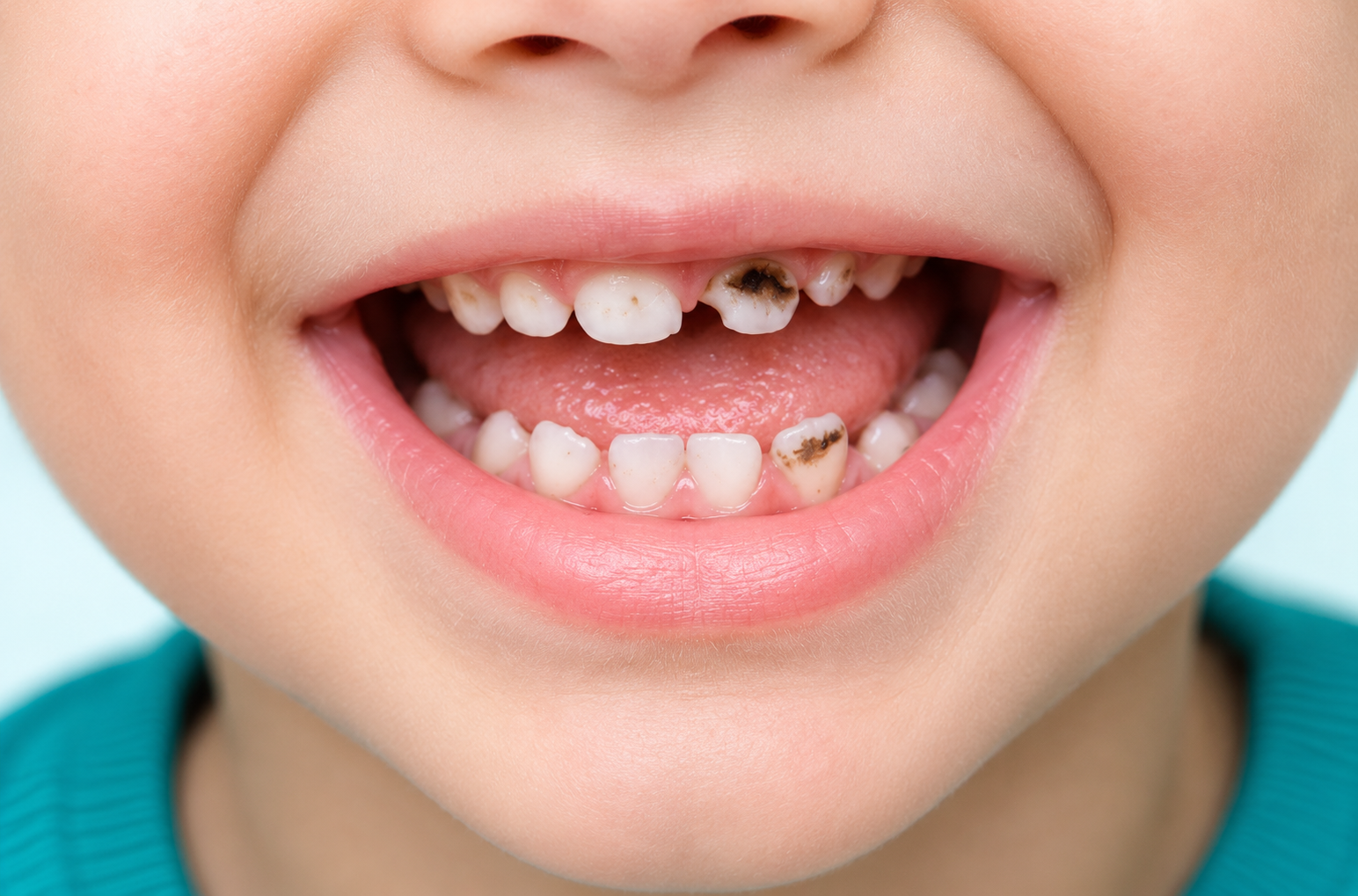
Finding a dark spot on your teeth, or noticing that your teeth have turned grey or black can cause concern. Sometimes you may find just a small dark spot on your teeth or the whole tooth itself may have darkened. It can be a simple issue such as staining but could also indicate that there is a problem with the inner parts of your teeth.
Some teeth can improve after a professional clean; however, if there are issues with the inner parts of the teeth, a different treatment will be required. Knowing what causes Black teeth can help determine where the colours are originating from, how quickly they have developed and if they are causing any pain, sensitivity or swelling. There are a few reasons why teeth may be dark and a visit to the dentist can help determine the cause and most appropriate way to protect your teeth.
What Does a Dark Tooth Mean?
Teeth can go dark by either having staining on the outside of the teeth, changes to the enamel or damage to the dentin and pulp. Dark spots may be brown, grey and black and sometimes can be removed by a professional clean. However, if the colour has darkened from the inside, this may not brighten after brushing.
Common Causes of Dark Teeth
Staining from food and drink
Tea, coffee, cola, red sauces and brightly coloured food can all cause staining. Regular consumption can cause more noticeable staining, especially if you do not have good oral hygiene. Staining can also be associated with tobacco use and plaque build up. A professional assessment can help determine if your teeth are only stained on the surface. Tobacco can cause staining that can be difficult to remove.
Decay
Bacteria in the mouth feeds off sugars and produces acids. Over time this can cause the enamel to break down. In the early stages you may find white or brown patches on your teeth. As the damage gets worse the area can become dark and form a cavity. If you have a dark cavity it should not be ignored. Black tooth causes can include untreated decay. If you have noticed your tooth has darkened, you should have an assessment from a dentist. These are common Black tooth causes that need early attention.
Trauma
If you have fallen, had an injury whilst playing sport or have had an accident the blood vessels and nerves in your teeth can be damaged. This can be one of the reasons for a darkened tooth. The blood products can cause the teeth to appear grey, brown or almost black. Injury is also among the possible Black tooth causes.
Inside changes
If the pulp has become inflamed, infected or has lost its blood supply it can cause the teeth to darken from the inside. This can happen following deep decay, multiple dental treatments or trauma. Internal changes are additional Black tooth causes that require dental examination.
Old fillings
Older fillings can cause a grey shadow, especially if they are on the front of your mouth. This can sometimes be mistaken for Tooth discoloration.
Medicines & Developmental Factors
Some medications can affect the colour of your teeth whilst they are developing. Too much fluoride can also cause changes.
Why Do Black spots on Teeth Occur?
Black spots on teeth do not always indicate that your teeth have suffered a lot of damage. They can be caused by staining, deposits or early decay. Deep grooves and pits can trap food and plaque. Black spots on teeth may also become noticeable when deposits collect in areas that are difficult to clean.
If you have noticed the black spots are changing you should have an assessment from a dentist. Do not use sharp objects or abrasive pastes to scrape the black spots as this can cause damage to the enamel and gums.
When to see a dentist
If you notice:
- Your teeth have gone grey or dark after an impact or fall.
- There is a visible hole, break or food getting stuck in the same place.
- Pain when biting/chewing.
- Sensitivity to hot or cold that lasts.
- Swelling, a pimple like spot on your gums or bad taste in your mouth.
- The dark spot is spreading or changing quickly.
If you are experiencing severe swelling, fever, difficulty swallowing or difficulty breathing seek urgent medical attention.
Diagnosis
Your dentist will ask when the colour changed, if there was any trauma, pain or sensitivity. They will then examine your teeth and gums. They may recommend an X-ray or pulp testing to investigate any decay, root changes or damage to the inner parts. Knowing the Black tooth causes will help your dentist decide on a suitable treatment.
Treatment
Treatment will depend on why your teeth have become dark, how much of your tooth remains and if the pulp is healthy. If there is decay or infection whitening will not be suitable.
Professional Cleaning
Professional cleaning will help remove plaque and tartar build-up. This can help improve surface staining. It will not help if the colours are from damage to inner parts of the teeth. If you have Stained teeth due to food and drink, this can help. Professional cleaning may also improve the appearance of Stained teeth caused by surface deposits.
Tooth coloured fillings
If there is a cavity your dentist will remove the decayed part and replace it with a suitable filling. Earlier treatment will help keep your natural teeth.
Root canal
If the pulp has become infected or is permanently damaged you may be advised to have a root canal. The dentist will clean and seal the canals. They will restore the tooth with a filling/crown if required.
Crowns
Crowns can help protect a weak tooth with lots of fillings or a broken tooth. They can also improve the appearance of significant colour change in the inner parts.
Whitening
In certain cases you may be offered whitening under supervision from your dentist or internal bleaching after root canal treatment. However, if there is decay, cracks or infection whitening will not help. Professional advice is important when treating Tooth discoloration because the cause must be identified first.
Extraction
If your teeth cannot be safely repaired you may be advised to have an extraction. You can have an implant, bridge or a removable partial denture.
Can You Prevent Dark Teeth?
Whilst you cannot prevent all colour changes you can help reduce decay and surface staining.
Brush your teeth twice daily with a fluoridated toothpaste and soft bristled brush to help reduce the chances of having Stained teeth. Floss or use an interdental cleaner daily. Drink plenty of water throughout the day especially after eating and drinking coloured drinks. Try not to regularly sip on tea, coffee and sugary drinks. Avoid tobacco products which can cause staining. Wear a mouthguard when playing contact sports. Attend regular check ups with your dentist. These habits can help reduce the risk of Tooth discoloration.
Do not try to whiten your teeth at home until you know the cause of the discoloration.
Things to Avoid
Avoid using lemon juice, vinegar, charcoal, salt, abrasive pastes and domestic bleach. They will not reliably remove the cause of your Stained teeth. Acidic items can cause your enamel to weaken. Abrasive items can cause wear and irritation to your gums. Whitening toothpastes can help reduce some of the surface staining but will not help with decay or inner colour changes.
Will I Need My Tooth Removing?
Many teeth can be saved with cleaning, fillings or root canals. If your teeth cannot be predictably repaired you may be advised to have them removed. Having an early assessment may give you more treatment options.
Why Choose Dantam Dental Clinic in Tellapur for Dark Tooth Concers?
We will want to find out why your teeth have changed colour. If you are concerned about your Black teeth our team will examine your teeth and explain what they found. We offer many dental services including preventive, restorative, root canals and cosmetic treatments. We will advise you on the best treatment based on our findings.
Frequently Asked Questions
Can I whiten My Dark Teeth?
Is a Dark Spot Always a Cavity?
Can Trauma cause a Tooth to go Dark?
Do Dead Teeth Cause Pain?
How can I Reduce Dark Staining?
When Should I see a Dentist?
SUBSCRIBE
SUBSCRIBE TO OUR NEWSLETTER
Black teeth: Causes, Symptoms & Treatments
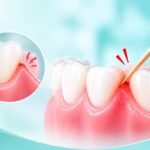
3 Reasons Why You Should Not Use A Toothpick