Dental implants are contemplated as a choice for people who have lost a tooth or teeth due to periodontal disease or an injury. Dental Implants provide a strong foundation for permanent or removable replacement teeth that are made to match your natural teethwhere an artificial tooth root is placed into the jaw to hold a replacement tooth.
What is a Dental Implant Procedure Like?
A dental implant involves a series of the process where the first is the development of an individualized treatment plan, followed by:
Tooth Root Implant-It is a small post made of titanium, and it is placed into the bone socket of the missing tooth. It grows around the implanted metal post and anchors it securely in the jaw. The healing process takes usually from six to 12 weeks.
Abutment Attachment-Once the implant has bonded to the jawbone, a small connector post called an abutment is attached to the post to securely hold the new tooth. Model Creation -Now the dentist makes impressions or duplicates the teeth to create a model which captures all your teeth, their type, look and feel colour, and their arrangement. And now a replacement tooth called a crown, is then attached to the abutment.
Few patients may also have attachments instead of one or more individual crowns.
Types of Dental Implants
The type of implant varies on where the implant happens whether the bone or on the bone.
Endosteal (in the bone): The most frequently used type of implant and the assorted types include screws, cylinders or blades surgically attached to the jaw and each implant holds one or more good teeth.
Subperiosteal (on the bone): This implant is placed on top of the jaw and these types of implants are restricted to patients who have difficulty in wearing conventional dentures and who have minimal bone height. The implant is done with the metal framework’s posts protruding through the gum to hold the prosthesis.
Benefits of Implant Dentistry
- Prevention of further bone loss.
- Replacement of removable full and partial dentures with fixed bridges.
- Enhanced chewing of food.
- Improved appearance and increase in self-confidence
Bleeding Gums Can Lead to Bigger Problems
Many people ignore bleeding gums thinking it’s “just a little blood.” But the consequences of neglect can be serious. Persistent gum bleeding can lead to chronic inflammation, gum recession, and bone loss. Untreated gum disease is one of the leading causes of tooth loss in adults. Research has also shown a connection between gum disease and heart problems, diabetes, and other systemic health issues. Early action prevents these complications and helps protect both your oral health and your general health.
How Successful Are Dental Implants?
The success rates of Dental Implants have proved at 93% or even better in ten years with drastic technological advancements and more stable implant materials. Although implant failure is considered rare, it can also occur, but the failed implant can also be replaced with another.
How Successful Are Dental Implants?
It is true that the Dental Implants treatment is expensive, but the cost of implant treatment depends on many individual factors including:
- The number of teeth that needs to be replaced
- The type of artificial teeth that will be used
- Generally,dental implants are not covered by dental insurance, but coverage might be possible depending on the insurance plan and cause of tooth loss.
Can Anyone Get Dental Implants?
Anyone healthy enough to undergo a routine dental extraction or oral surgery is considered for a dental implant but patients need to have healthy gums and enough bone to hold the implant. Evaluation on an individual basis is required for heavy smokers, people suffering from diabetes, heart disease, or patients who underwent radiation therapy to the head or neck area.
Excellence in Dental Care
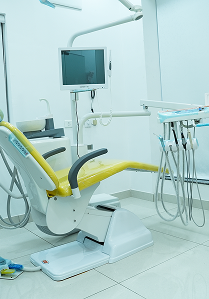
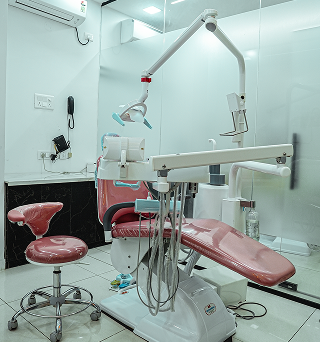
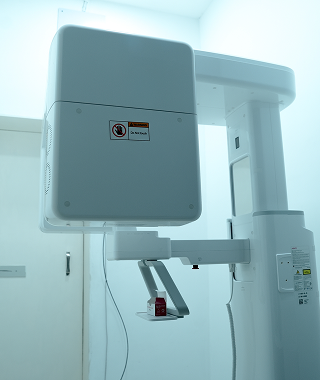
Our general and cosmetic dentists conduct each procedure to very high standards using only the latest materials and equipment. Our clinical areas are state of the art and maintained to the highest of standards. We continually reinvest in our staff with training to enable us to provide you with the very best dental care you deserve.